Journal
Writing
90 pieces · newest 8 September 2026
MAF v1 — Workflow Events and Builder (Python + .NET)
Two kinds of workflow events — lifecycle and custom. Subscribe to the stream in Python and .NET, filter by type, and wire a live progress indicator.
MAF v1 — Context Providers (Python + .NET)
Add per-request context with focused providers, compose them before each LLM call, and plug in TextSearchProvider for simple RAG.
MAF v1 — Middleware and the Agent Pipeline (Python + .NET)
Use middleware to wrap agent runs, intercept tool calls, and redact PII before the LLM sees it in both Python and .NET safely.
MAF v1 — Observability with OpenTelemetry (Python + .NET)
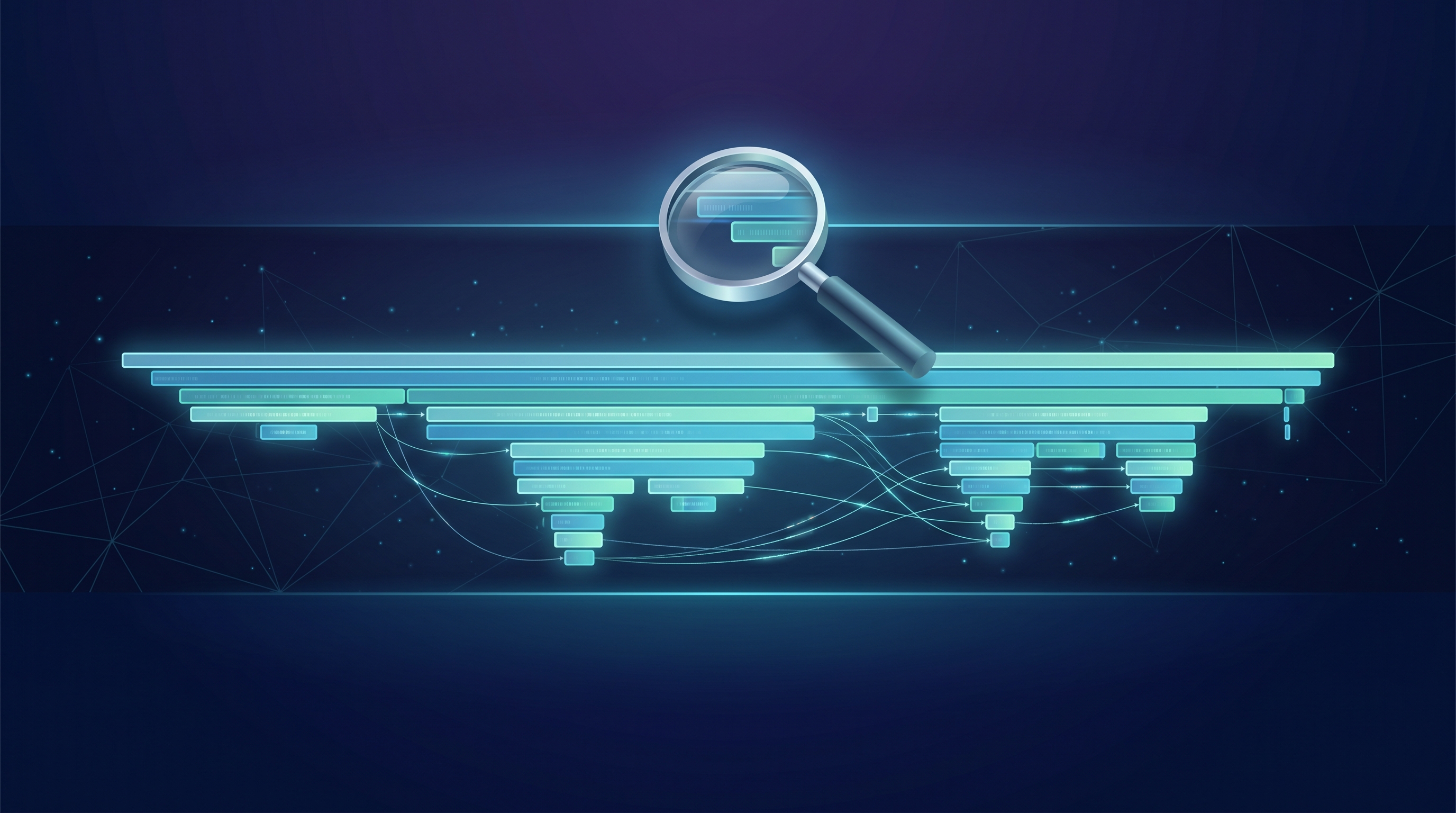
Wire OpenTelemetry spans for agent runs with GenAI attributes, using console export for dev and OTLP for production tracing.
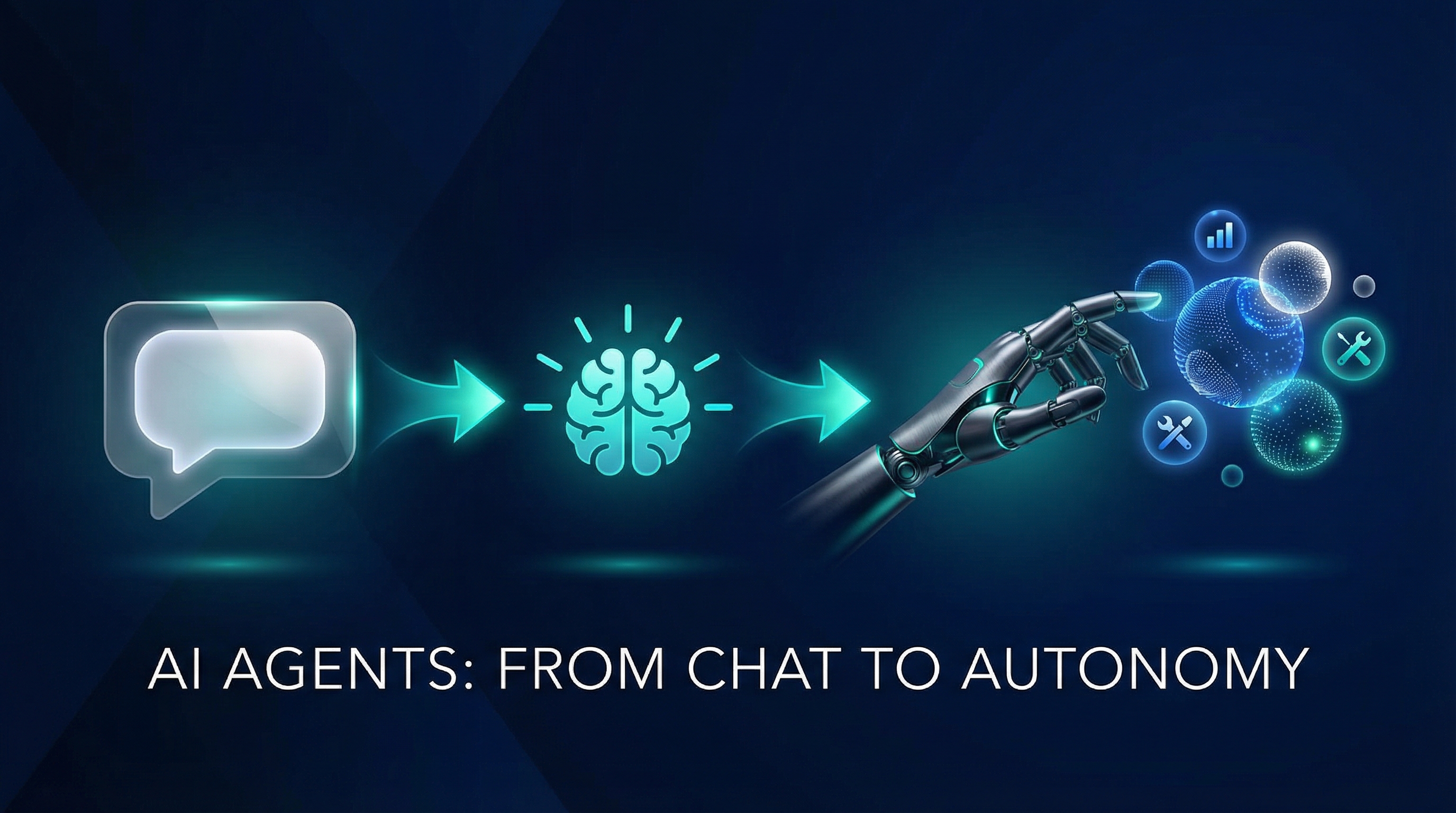
AI Agents: Concepts and Your First Implementation
What AI agents actually are, how they differ from chatbots, and a hands-on walkthrough to build your first agent with Microsoft Agent Framework.
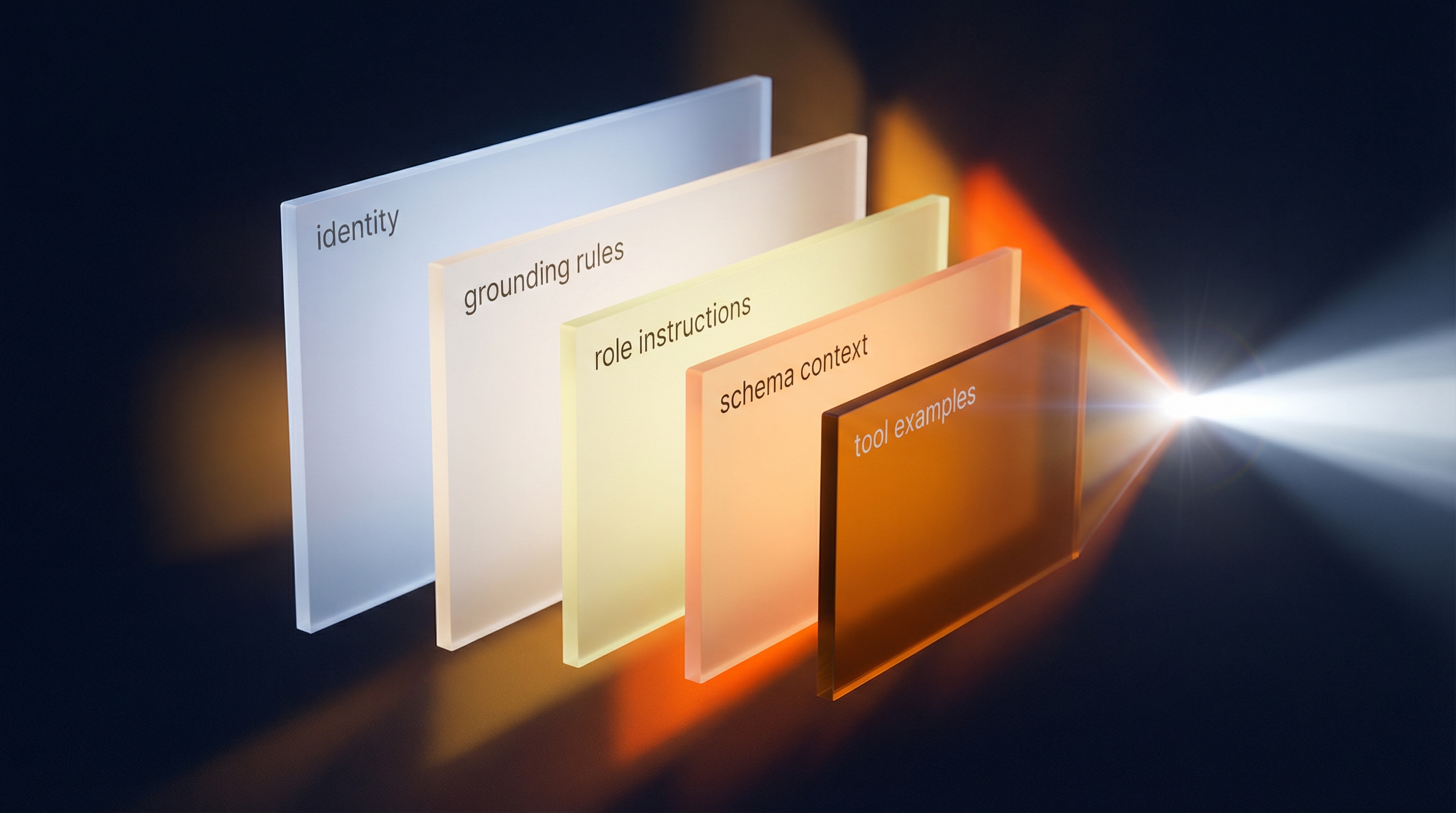
Prompt Engineering for AI Agents -- Grounding, Roles, and YAML Configuration
How to write agent prompts that prevent hallucination, adapt to user roles, and stay maintainable -- with YAML-based configuration you can version-control.
Building Domain-Specific Tools -- Giving Agents Real Capabilities
How to build production-quality agent tools that query databases, validate business rules, and automatically scope data to the current user.
Multi-Agent Architecture: Orchestration and the A2A Protocol
How to build an orchestrator that routes requests to specialist agents, and the A2A protocol that makes agent-to-agent communication standardized.
Observability -- Tracing Multi-Agent Workflows with OpenTelemetry
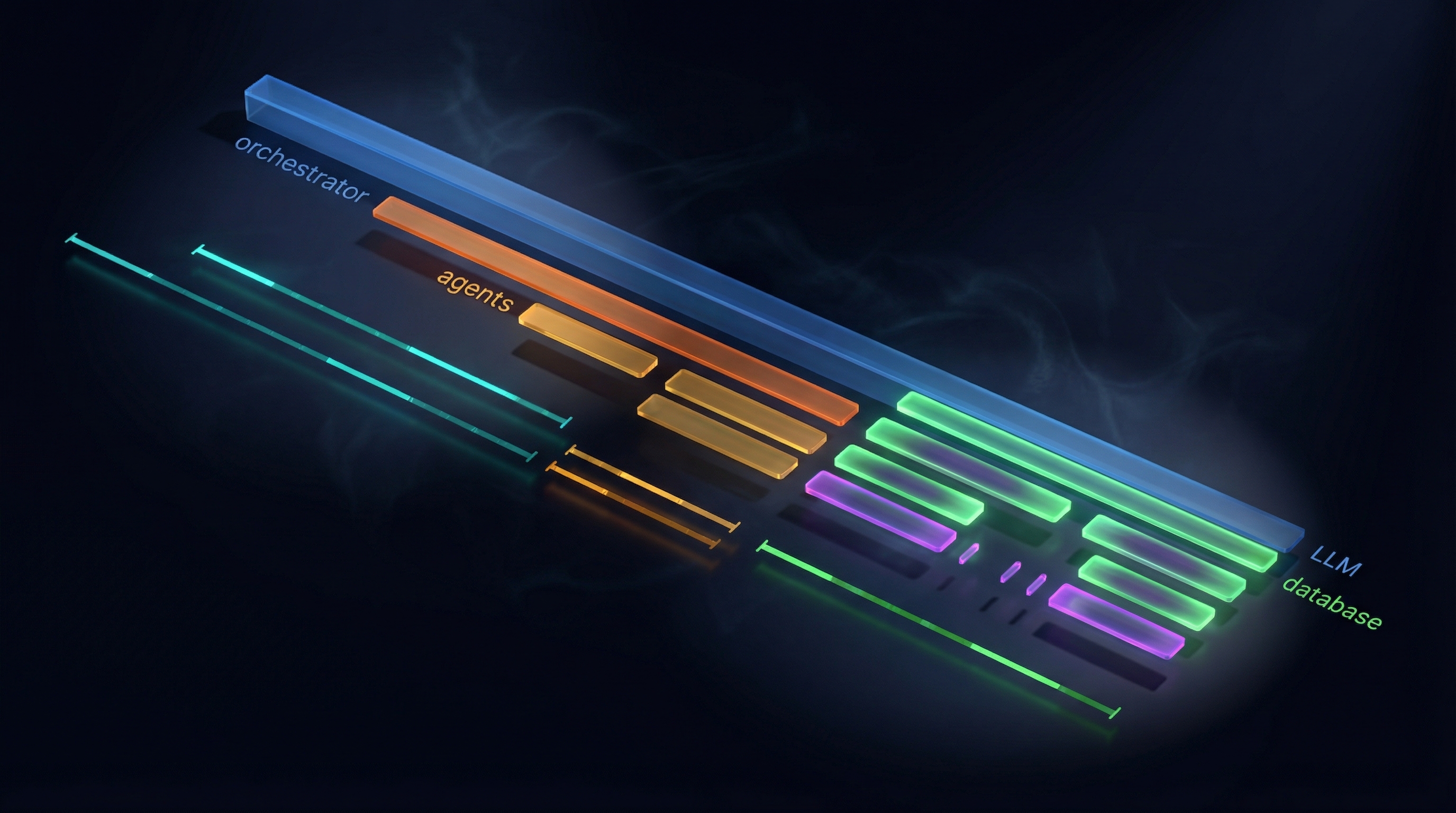
How to instrument multi-agent systems with OpenTelemetry — auto-instrumented traces across agents, LLM calls, and database queries.
Frontend: Rich Cards and Streaming Responses
Transform agent text responses into interactive product and order cards, then add token-by-token streaming via SSE — no backend agent changes needed.
Production Readiness: Auth, RBAC, and Deployment
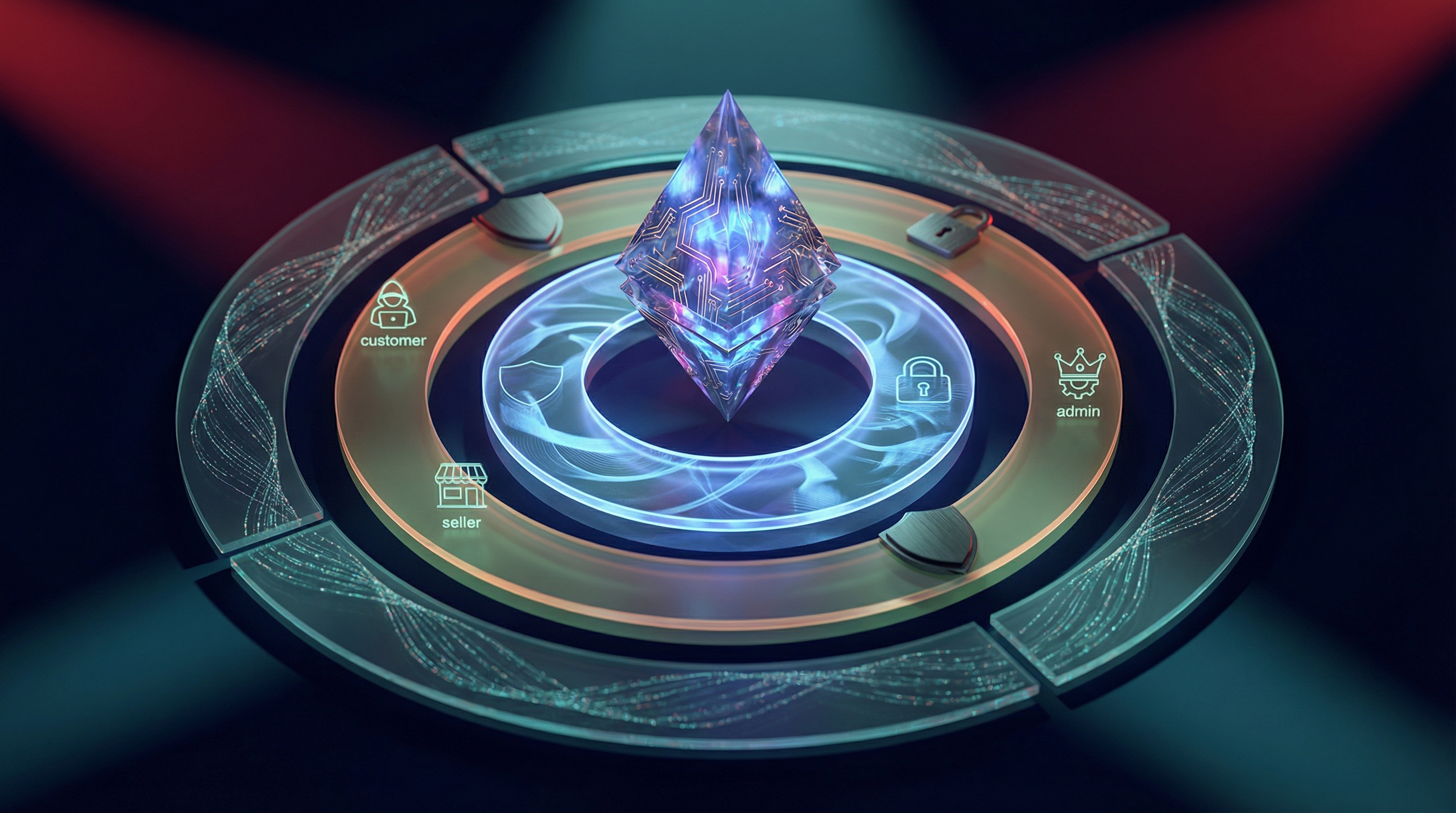
JWT authentication, role-based access control, and user-scoped data isolation for a multi-agent system, plus a one-command Docker Compose startup.
Agent Memory -- Remembering Across Conversations
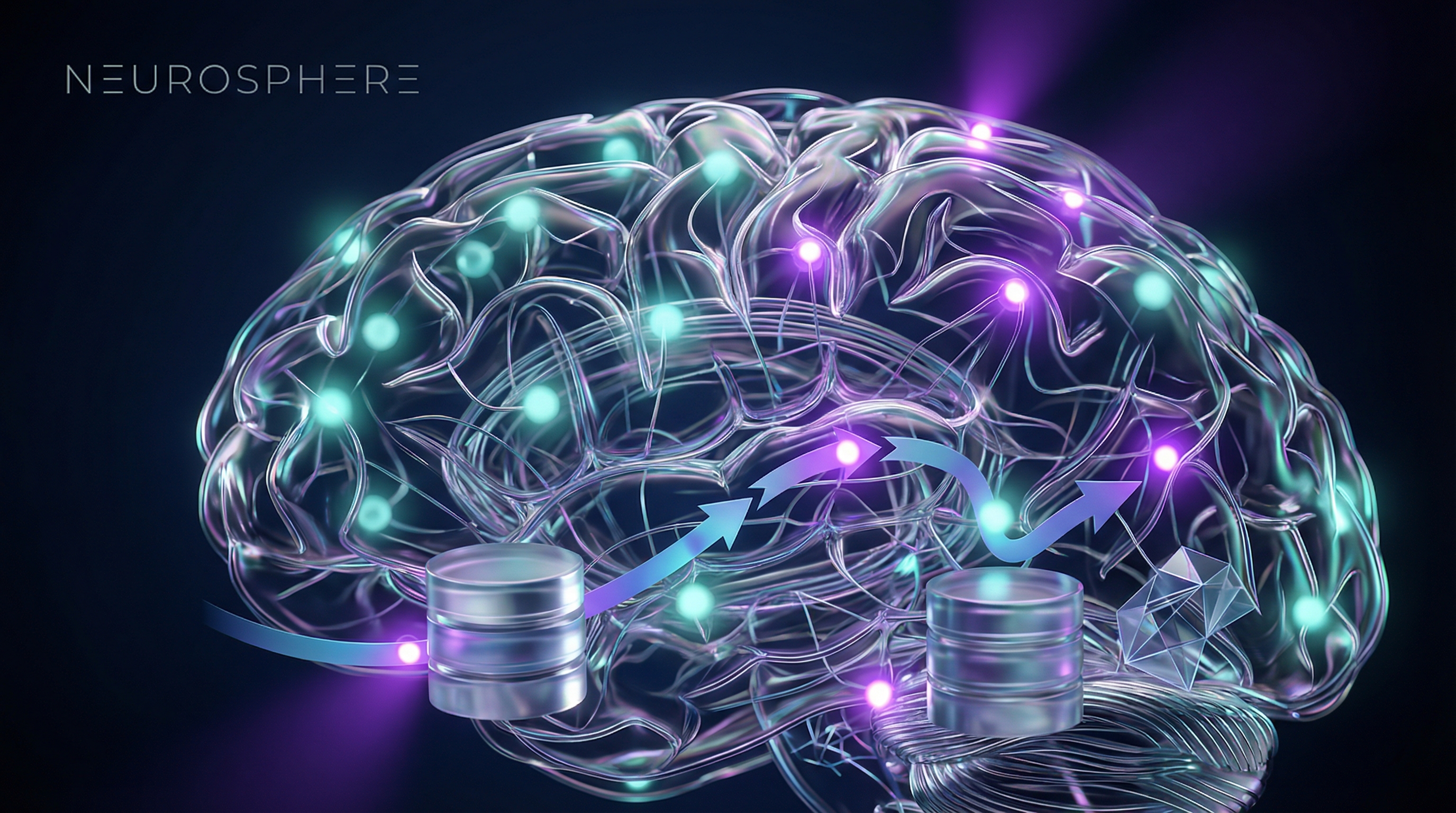
Give your agents persistent memory -- store user preferences, recall past interactions, and personalize responses across conversations.