Journal
Writing
90 pieces · newest 8 September 2026
MAF v1 — Human-in-the-Loop (Python + .NET)
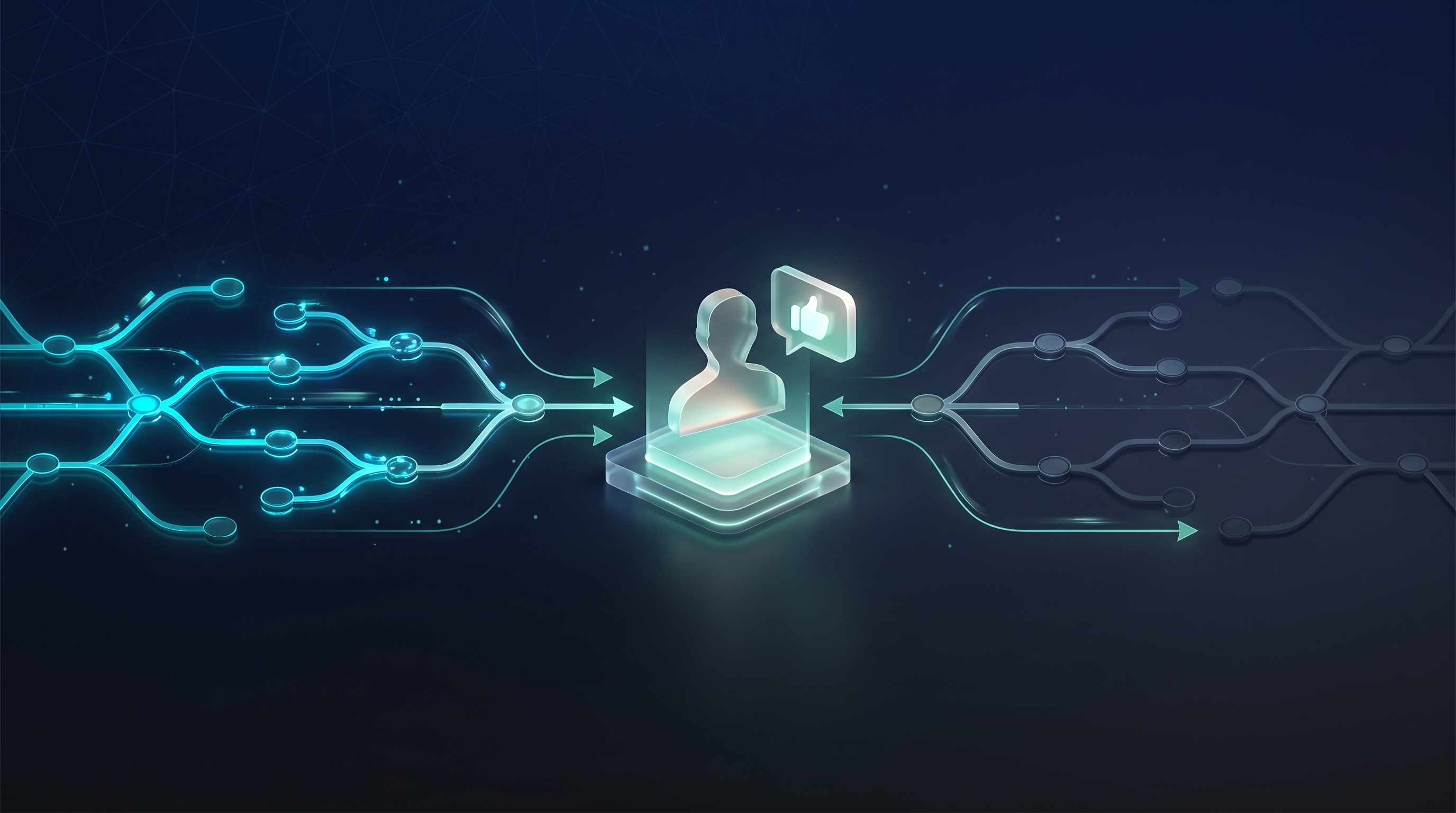
Pause a workflow for human input, resume it with the same request_id, and keep the caller-side contract simple across runs.
MAF v1 — State and Checkpoints (Python + .NET)
Persist workflow state at superstep boundaries, reload snapshots in a fresh process, and continue without losing progress.
MAF v1 — Declarative Workflows (Python + .NET)
Define a workflow in YAML, load it at runtime, and tweak orchestration without recompiling the Python or .NET app safely.
MAF v1 — Handoff Orchestration (Python + .NET)
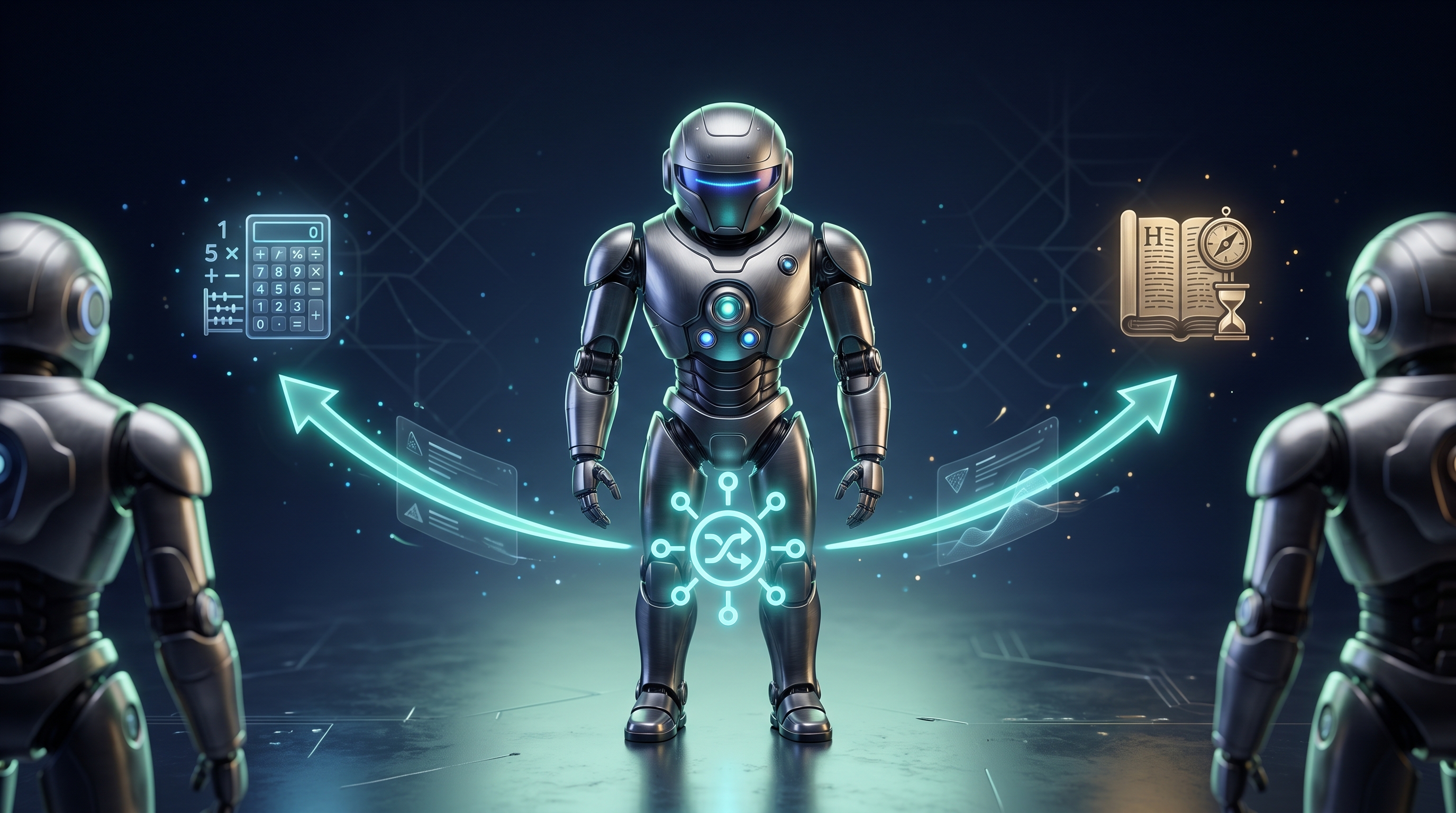
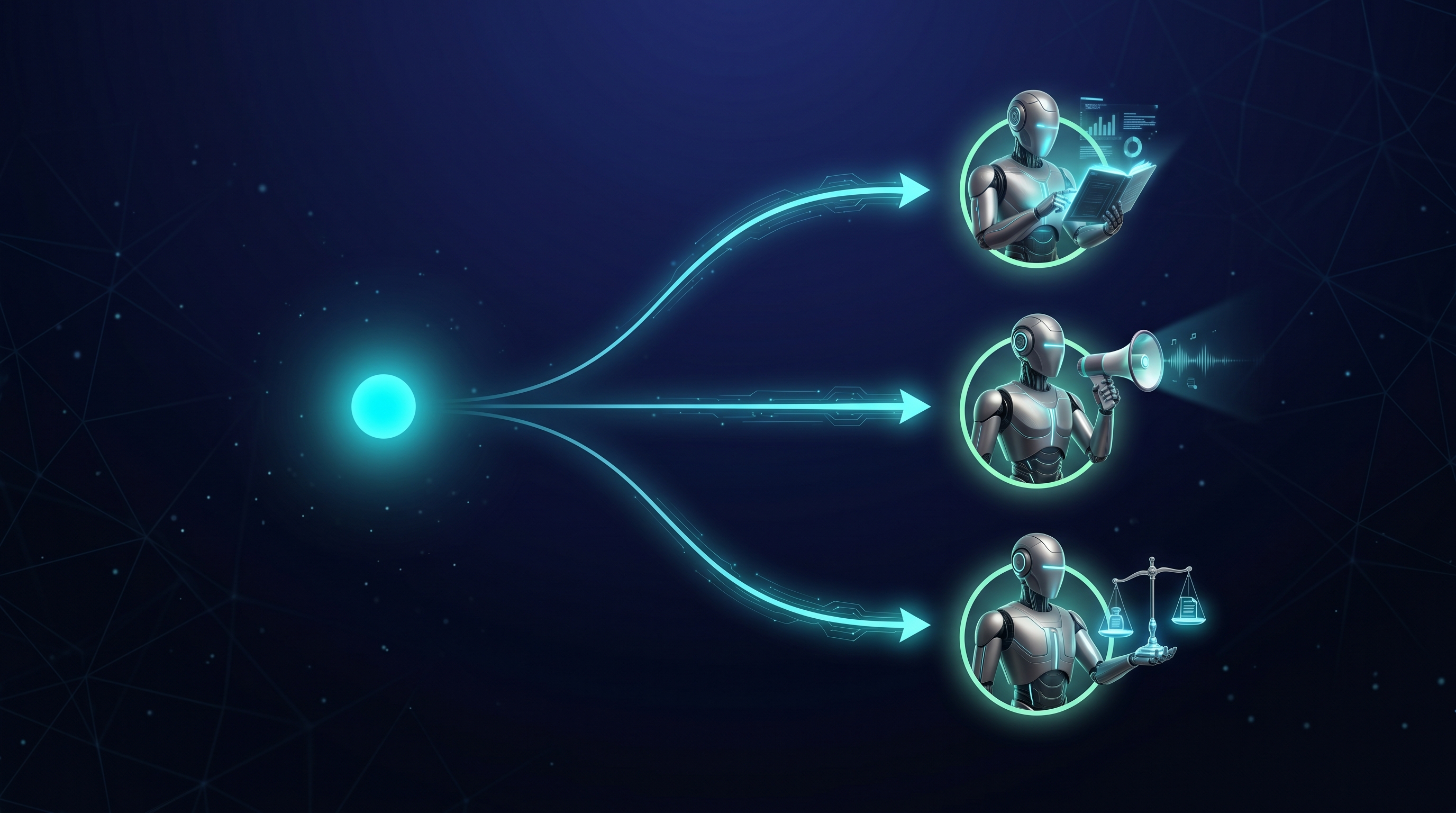
Let a Triage agent route the conversation to Math or History specialists, handle handbacks, and guard against loops in production.
MAF v1 — Group Chat Orchestration (Python + .NET)
Use a centralized manager to pick speakers each round, compare round-robin and agent-driven strategies, and cap runaway loops.
MAF v1 — Magentic Orchestration (Python + .NET)
Use Magentic orchestration for autonomous planning: a manager keeps facts, delegates to workers, reassesses, and replans when stuck.
MAF v1 — Agents in Workflows (Python + .NET)
Wrap a ChatClientAgent as a workflow executor, chain two translators, and hide adapter plumbing behind AgentWorkflowBuilder.
MAF v1 — Sequential Orchestration (Python + .NET)
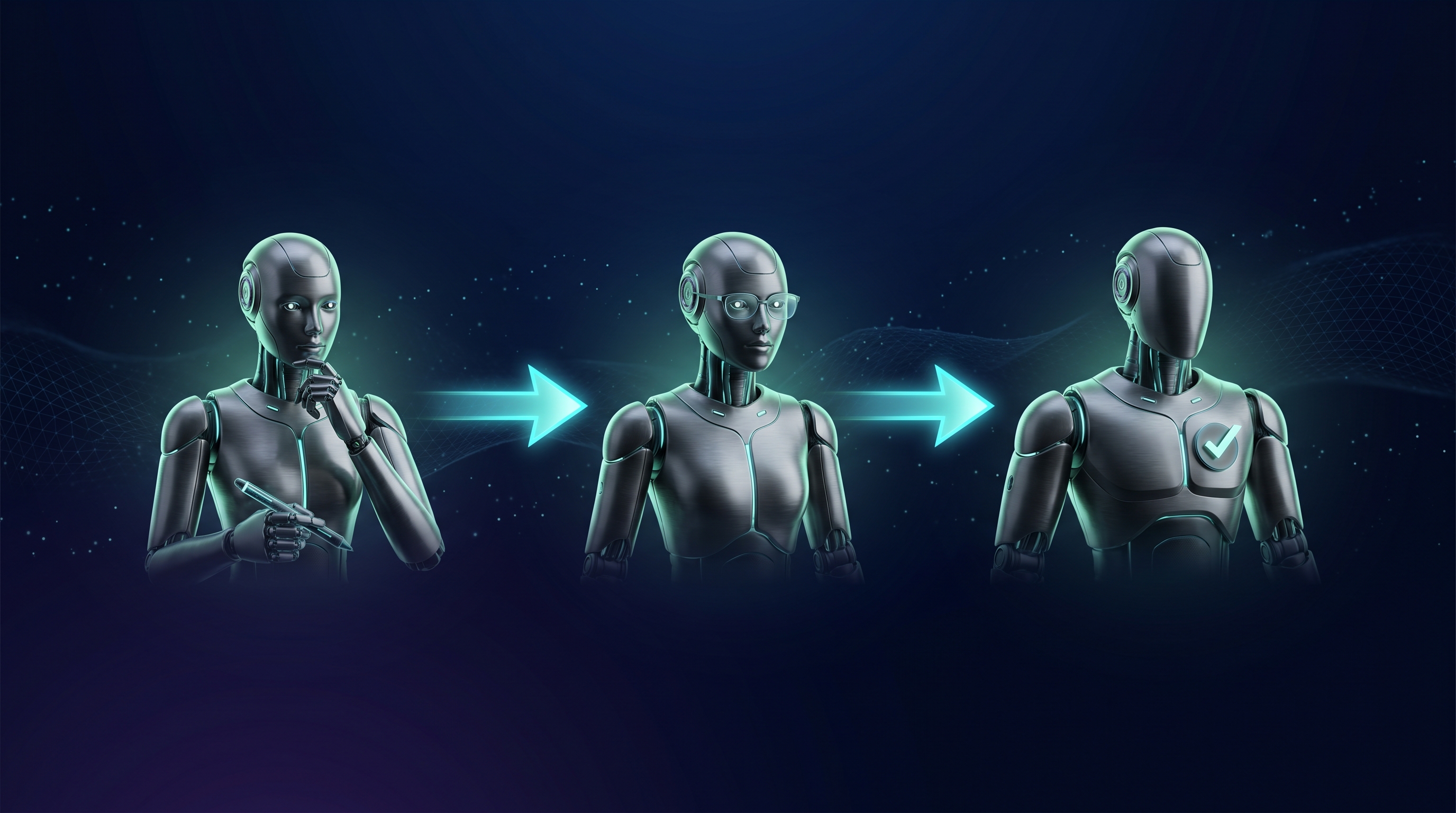
Use SequentialBuilder or BuildSequential to pass one conversation through Writer, Reviewer, and Finalizer agents without hand-built adapters.
MAF v1 — Concurrent Orchestration (Python + .NET)
Fan one input out to an expert panel, aggregate the responses, and keep wall-clock time bounded by the slowest branch cleanly.
MCP: What It Is and Why It Changes How You Build AI Tools
MCP solves the N×M integration problem between AI models and tools. What it is, how it works, and why it matters before your next AI feature.
MAF v1 — MCP Tools (Python + .NET)
Stand up a Python MCP server and consume it from Python and .NET MAF agents, including discovery and AITool wiring from one server.
MAF v1 — Workflow Executors and Edges (Python + .NET)
Model deterministic workflows with executors as nodes, edges as routes, and a Pregel-style scheduler in Python and .NET.