Journal
Writing
90 pieces · newest 8 September 2026
The Keyless Cookbook: Managed Identity for Every Azure Service Your Agent Touches
The exact RBAC role, disable-local-auth switch, and DefaultAzureCredential snippet for every Azure hop an agent uses — OpenAI, AI Search, Cosmos, SQL.
Zero-Secrets Architecture on Azure: Managed Identity for AI Agents
The governance case for keyless Azure: why shared keys are a liability, how managed identity plus RBAC fixes it, and how teams enforce it.
The AI Gateway in Azure API Management: A Control Plane for Enterprise AI
One control plane for enterprise AI — how APIM's AI gateway gives security, network, and infrastructure teams governance over models, MCP tools, agents.
AI Security: Prompt Injection, Jailbreaks, and Guardrails
Prompt injection, indirect injection, jailbreaks, and data exfiltration via tools — the real threats and defense layers that work in production AI systems.
MAF v1 — Prompt engineering (Python + .NET)
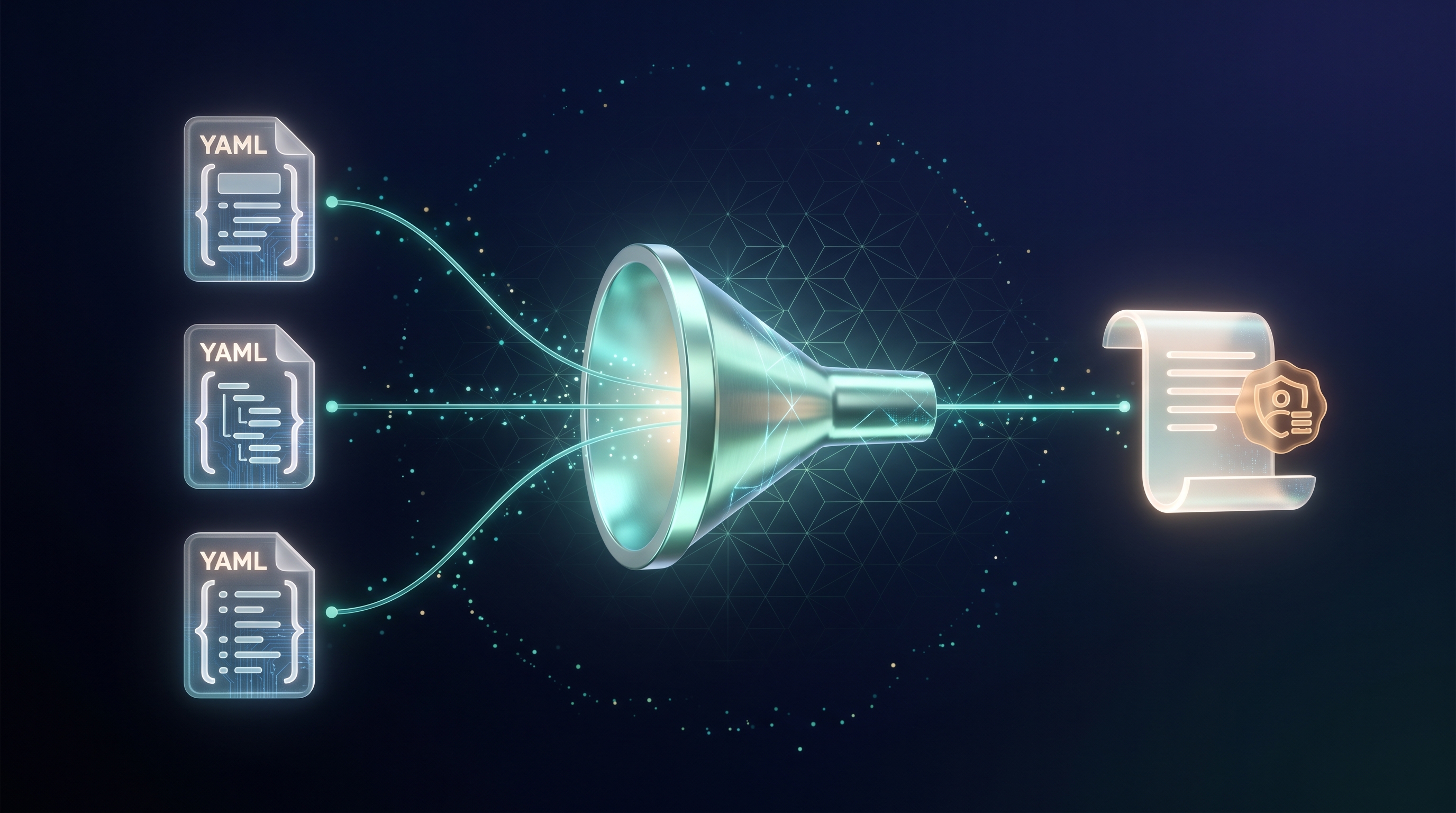
Structure prompts around identity, grounding, task rules, role context, and YAML composition so agents stay consistent over time.
MAF v1 — Deployment with Docker and Compose
Package the agent stack with one multi-target Dockerfile, one Compose file, and a dev.sh script with health gates locally.
MAF v1 — E-commerce repo guided tour (Python + .NET)
Every MAF concept from the prior chapters, mapped to the exact file and line where it lives in the live e-commerce repo.
MAF v1 — Python ↔ .NET asymmetries: a porting reference
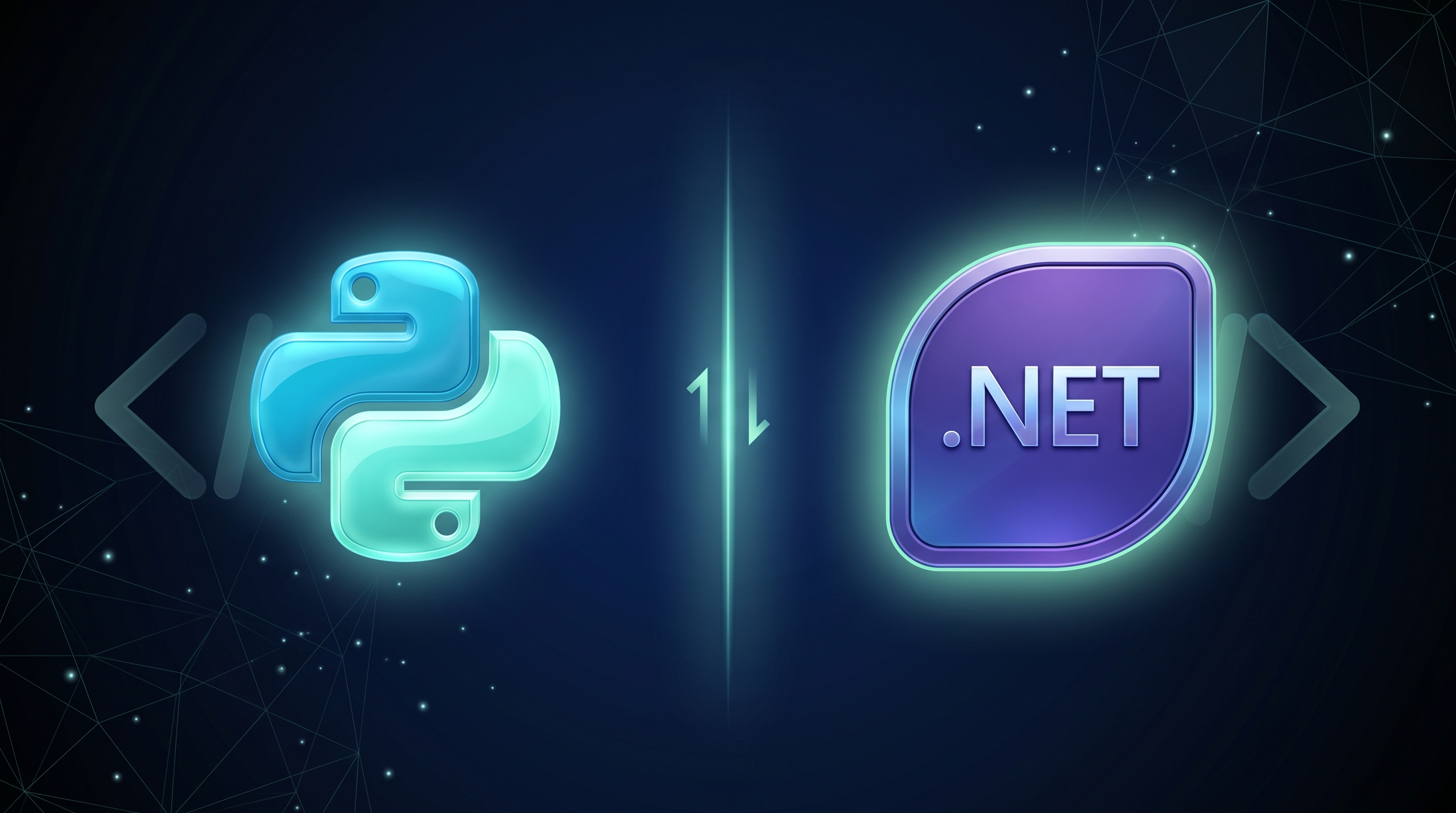
Compare the six Python and .NET MAF API differences you will hit when porting samples, from constructors to workflow wiring.
MAF v1 — Evaluation framework (Python + .NET)
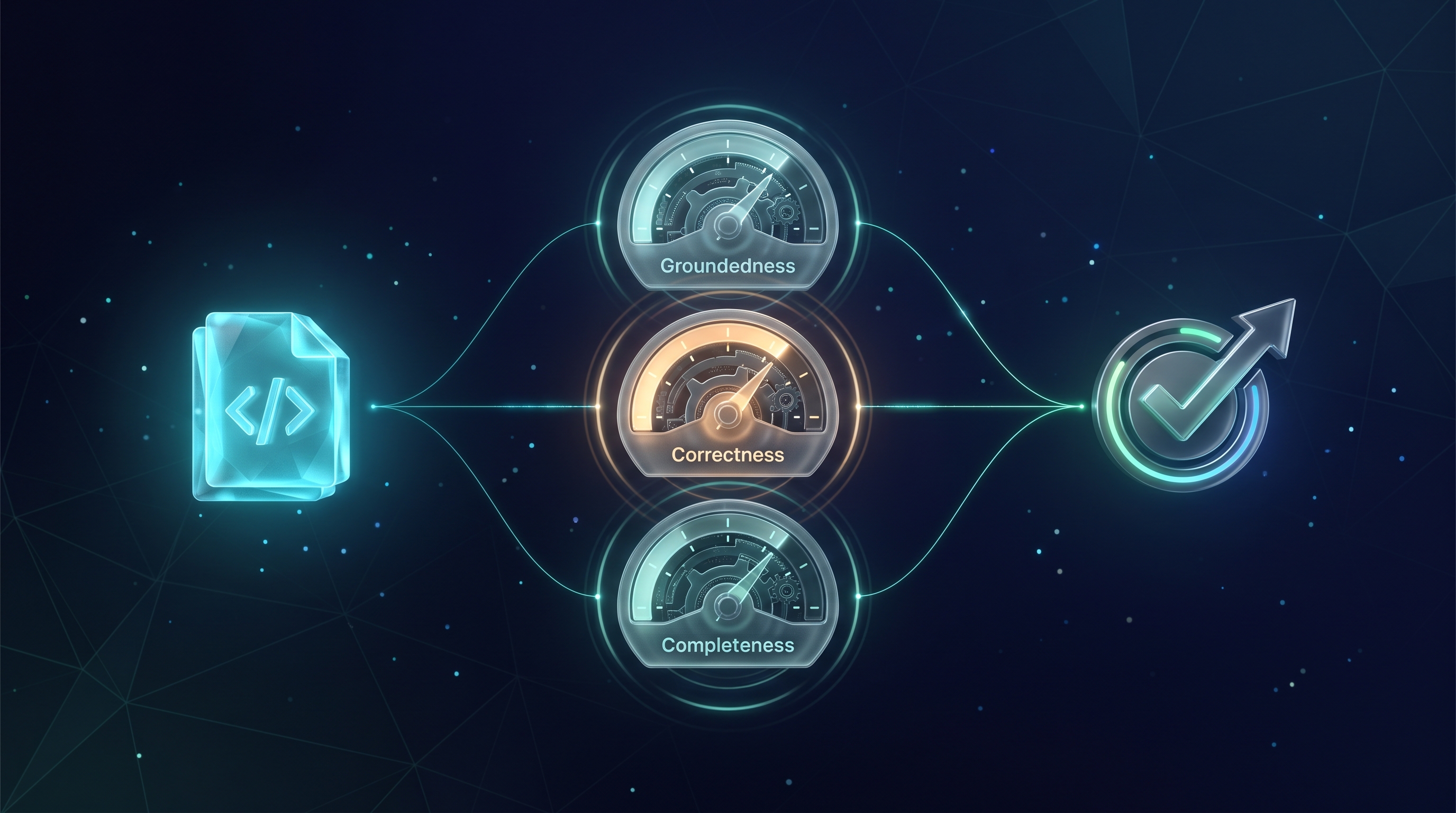
Build an eval pipeline with golden datasets, scoring, smoke/full modes, and CI gates to catch prompt regressions before release.
MAF v1 — Workflow Visualization (Python + .NET)
Render any workflow as Mermaid (GitHub-friendly) or Graphviz DOT (production runbooks). One line each, deterministic output, dark-mode-safe palette.
MAF v1 — DevUI for agents and workflows (Python)
Run MAF DevUI locally to test prompts, inspect tool calls and OTel spans, and register agents by code or directory discovery.
MAF v1 — Production hardening (Python + .NET)
Add HTTP-layer production patterns for password reset, refresh-token rotation, reuse detection, and secret rotation in APIs.