Tag
Python
35 posts filed under Python.
MAF v1 — Middleware and the Agent Pipeline (Python + .NET)
Use middleware to wrap agent runs, intercept tool calls, and redact PII before the LLM sees it in both Python and .NET safely.
MAF v1 — Observability with OpenTelemetry (Python + .NET)
Wire OpenTelemetry spans for agent runs with GenAI attributes, using console export for dev and OTLP for production tracing.
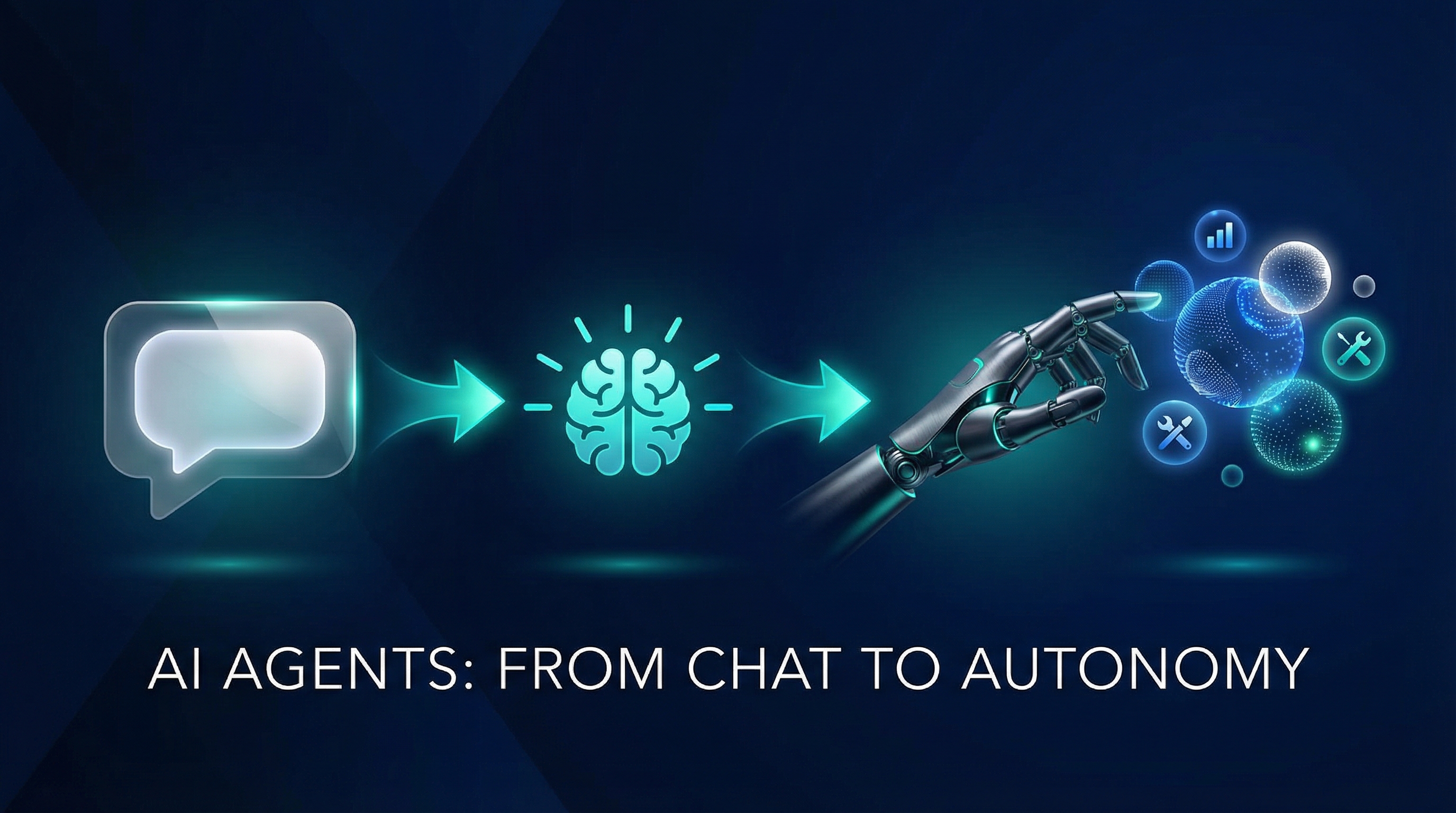
AI Agents: Concepts and Your First Implementation
What AI agents actually are, how they differ from chatbots, and a hands-on walkthrough to build your first agent with Microsoft Agent Framework.
Building Domain-Specific Tools -- Giving Agents Real Capabilities
How to build production-quality agent tools that query databases, validate business rules, and automatically scope data to the current user.
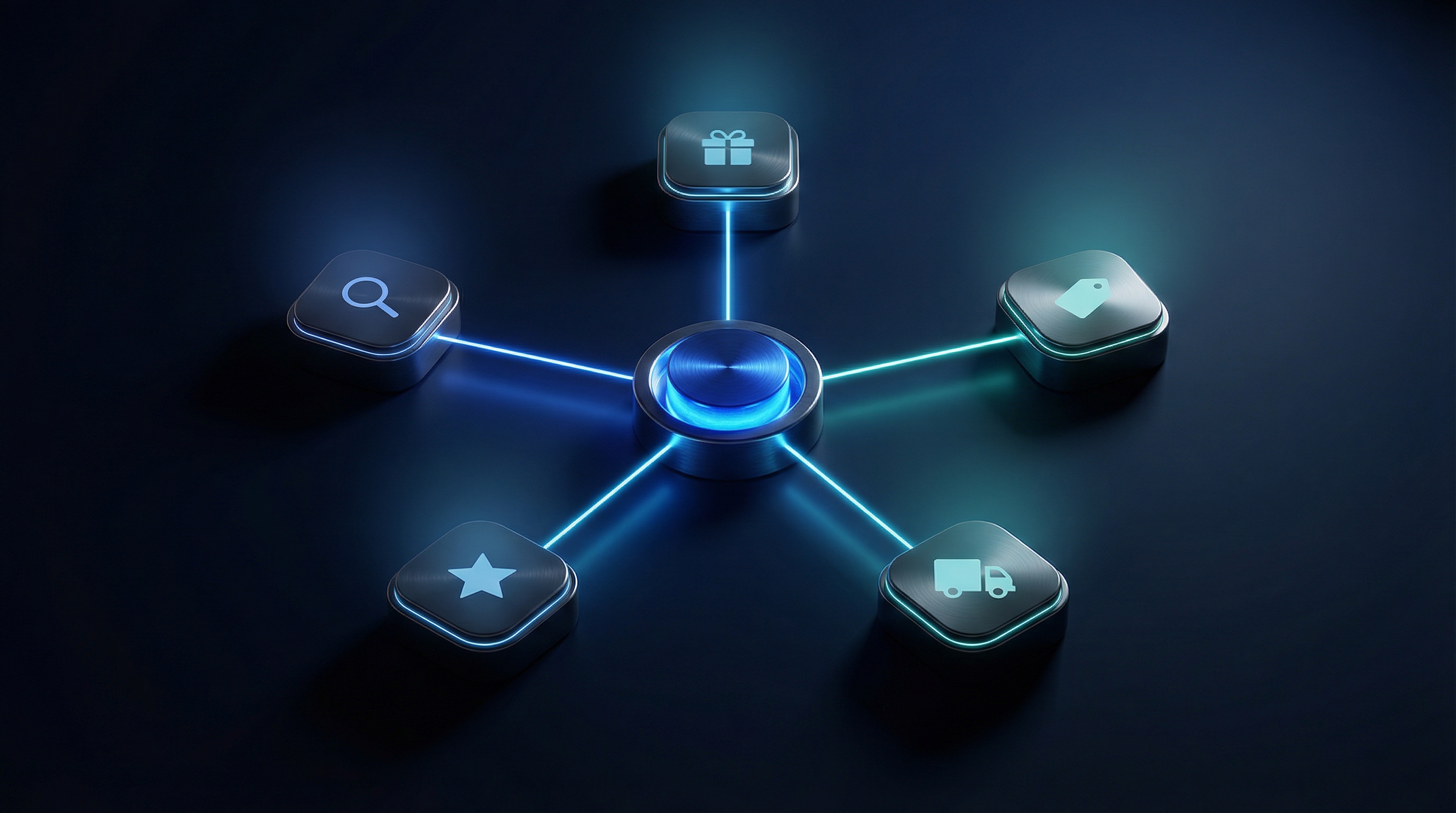
Multi-Agent Architecture: Orchestration and the A2A Protocol
How to build an orchestrator that routes requests to specialist agents, and the A2A protocol that makes agent-to-agent communication standardized.
MAF v1 — Streaming and Multi-turn (Python + .NET)
Stream tokens as they arrive and reuse a session across turns so the LLM sees the full conversation. ~60 lines of code per language.
MAF v1 — Sessions (Python + .NET)
Serialize an AgentSession to JSON, persist it, reload in a fresh process, and have the agent pick up exactly where it left off.
MAF v1 — Setup your dev environment (Python + .NET)
Install uv, .NET 9, Docker, OpenAI keys, and a verify script so Chapter 1 starts with both Python and .NET environments ready.
MAF v1 — Your First Agent (Python + .NET)
Build the smallest useful Microsoft Agent Framework program: one LLM call, one response, and the same shape in Python and .NET.
MAF v1 — Adding Tools (Python + .NET)
Give an agent a callable function, let the LLM decide when to use it, and compare Python and .NET tool loops side by side.
Building a Comprehensive RAG System: A Deep Dive Into Knowledge Architecture
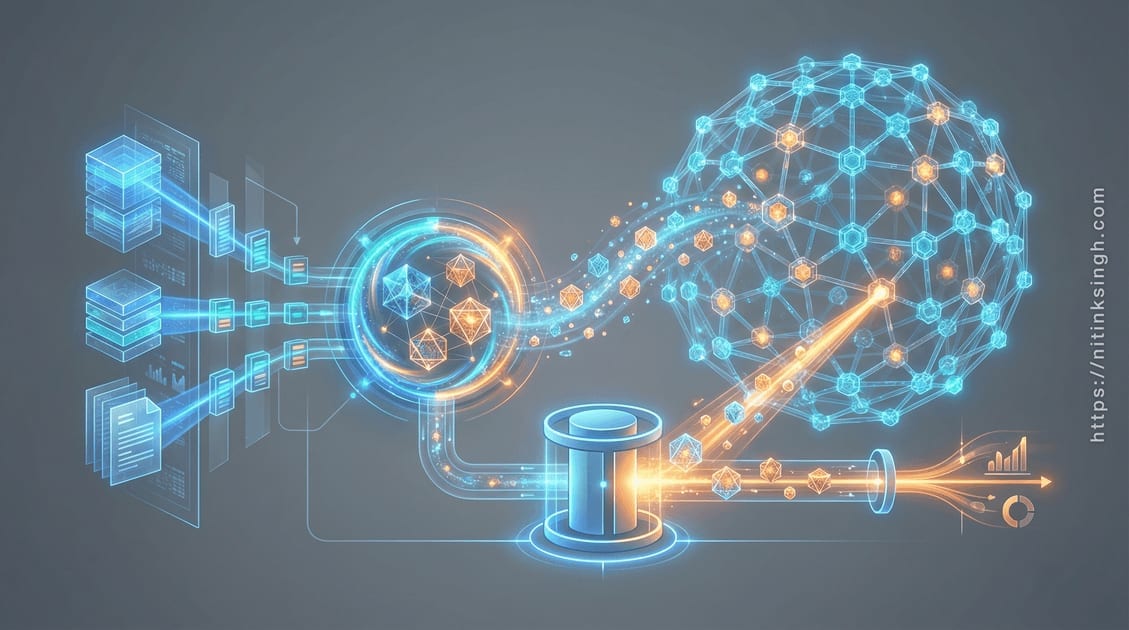
A guide to building a Retrieval-Augmented Generation (RAG) system — vector databases, document processing, and LLMs for knowledge retrieval.