1. Tags/

Openai

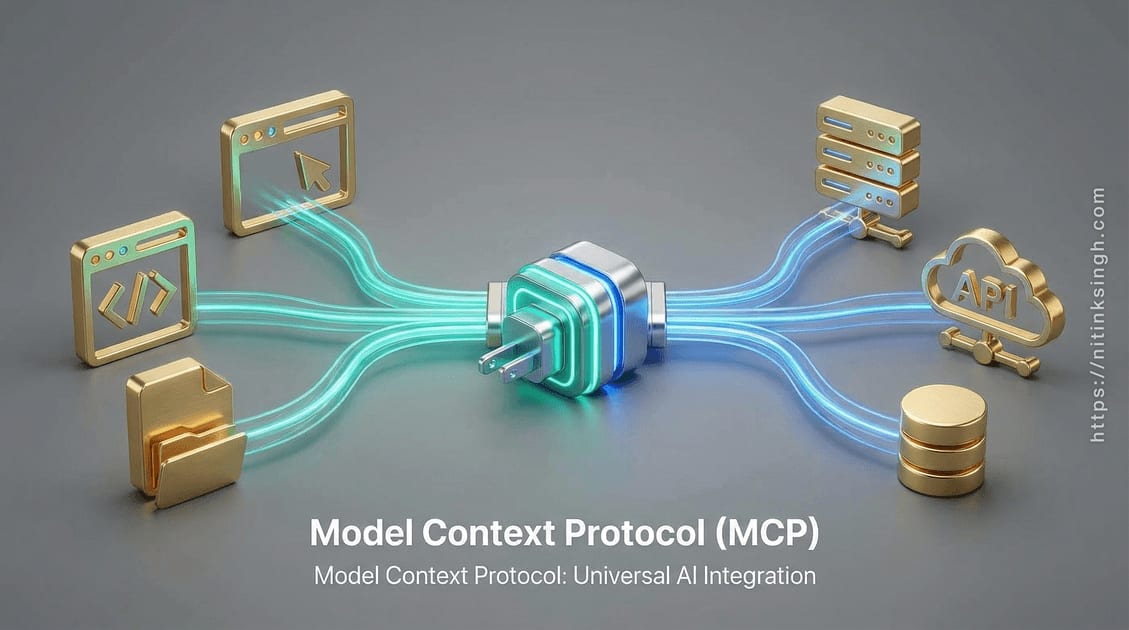
MCP: What It Is and Why It Changes How You Build AI Tools

Deep Dive · Apr 21, 2026 · 10 min read
Before MCP existed, adding tools to an AI application meant writing the same glue code over and over. You had OpenAI’s function calling syntax. Anthropic had tool use with a slightly different schema. LangChain abstracted over both, but now you depended on LangChain’s versioning decisions. Every new model provider meant rewriting your tool definitions. Every new tool meant re-registering it across every AI integration you maintained.
MCP: What It Is and Why It Changes How You Build AI Tools

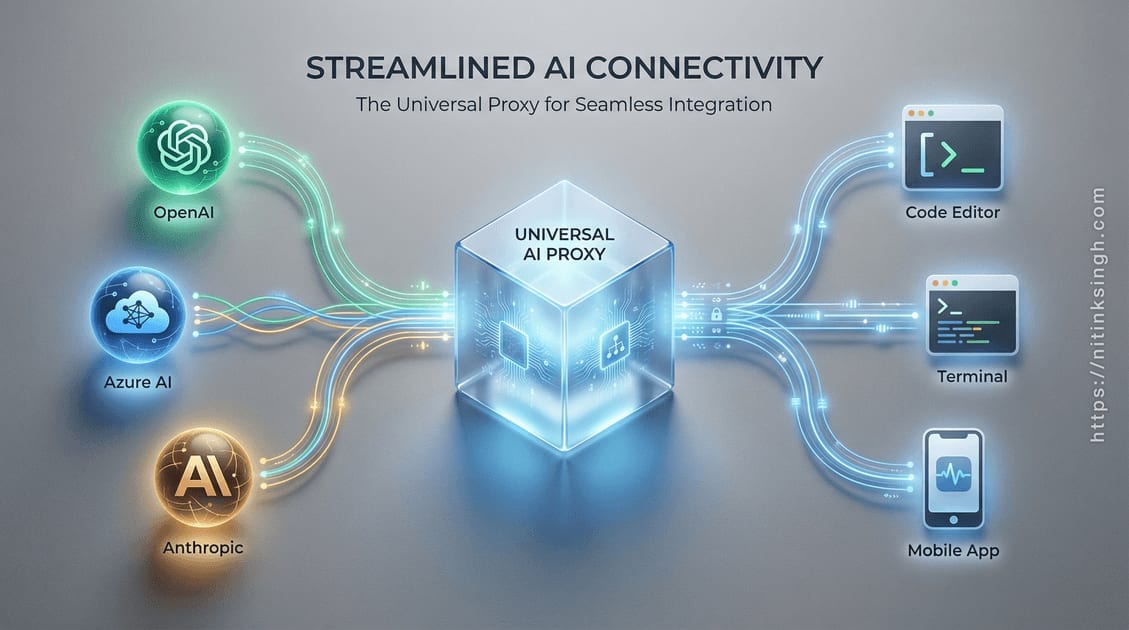
Streamlining AI Development with LiteLLM Proxy: A Comprehensive Guide

Deep Dive · May 25, 2025 · 9 min read
In the rapidly evolving landscape of artificial intelligence, development teams face significant challenges when integrating multiple AI models into their workflows. The proliferation of different providers, APIs, and pricing models creates complexity that can slow down innovation and increase technical debt. This article explores a powerful solution: a Docker-based setup combining LiteLLM proxy with Open WebUI that streamlines AI development and provides substantial benefits for teams of all sizes.
Streamlining AI Development with LiteLLM Proxy: A Comprehensive Guide

Building a Comprehensive RAG System: A Deep Dive Into Knowledge Architecture

Deep Dive · Apr 24, 2025 · 16 min read
TL;DR: This guide walks you through building a production-ready RAG system using FastAPI, ChromaDB, MinIO, and OpenAI. Learn document chunking, vector embeddings, hybrid search, and real-world deployment strategies. Introduction # As a .NET developer watching the AI landscape evolve, I found myself both excited and skeptical. When tools like Claude.ai and ChatGPT started offering out-of-the-box RAG solutions, I wanted to build my own system with full control over the implementation.
Building a Comprehensive RAG System: A Deep Dive Into Knowledge Architecture

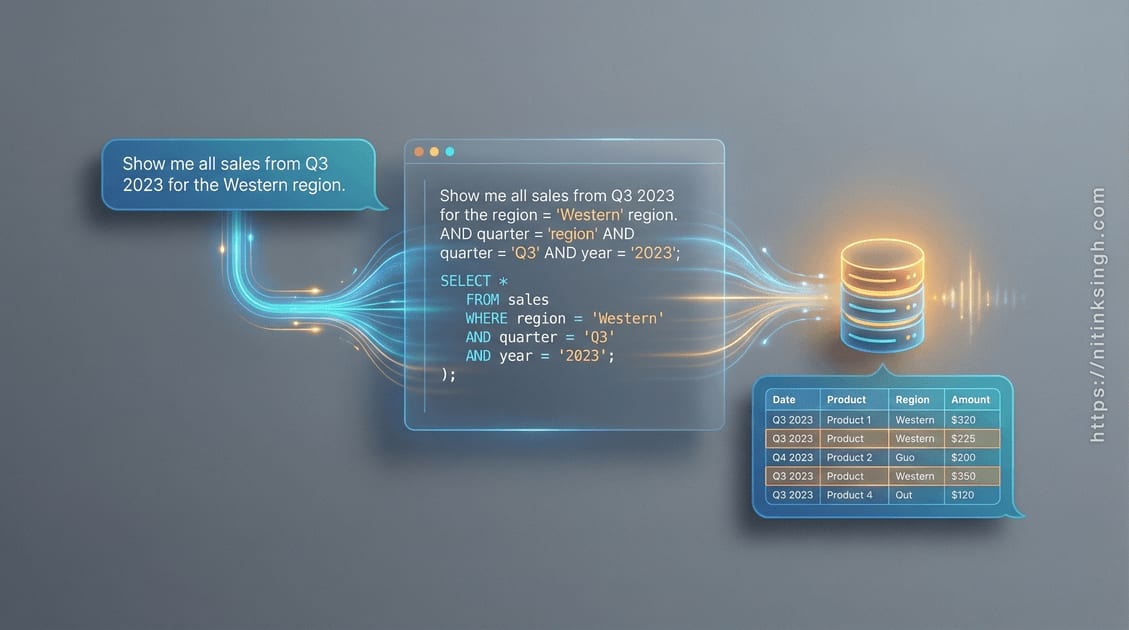
Simplifying Database Queries with AI & SQL Automation

Deep Dive · Jan 6, 2025 · 15 min read
TL;DR # This article demonstrates how to build a REST API that converts natural language into SQL queries using multiple LLM providers (OpenAI, Azure OpenAI, Claude, and Gemini). The system dynamically selects the appropriate AI service based on configuration, executes the generated SQL against a database, and returns structured results. It includes a complete implementation with a service factory pattern, Docker setup, and example usage.
Simplifying Database Queries with AI & SQL Automation