scienceDeep Dive
Azure
·
Jul 9, 2026
·
16 min read The exact RBAC role, disable-local-auth switch, and DefaultAzureCredential snippet for every Azure hop an agent uses — OpenAI, AI Search, Cosmos, SQL, Blob, Key Vault, and more.
scienceDeep Dive
AI Engineering
·
Jul 8, 2026
·
18 min read One control plane for enterprise AI — how APIM’s AI gateway gives security, network, and infrastructure teams governance over models, MCP tools, and agents. The full v2 surface.
scienceDeep Dive
AI & LLM
·
May 24, 2026
·
19 min read
The OWASP LLM Top 10 exists because shipping an LLM to production without a security model is a new category of risk that the existing web application security playbook doesn’t fully cover. Prompt injection has held the #1 spot on that list since the first version was published, and it’s not there because researchers think it might be a problem someday. It’s been demonstrated against production systems at companies that knew what they were doing.
scienceDeep Dive
AI & LLM
·
Apr 7, 2026
·
12 min read
Every vendor selling software right now claims their product is “agentic.” I’ve seen chatbots with a system prompt called an agent. I’ve seen a scheduled Python script described as autonomous AI. I’ve also shipped actual agents to production, at an insurance company, handling FNOL triage, policy lookup, and claims routing. The gap between what gets marketed as an agent and what you’d actually build in production is wide, and it’s expensive to get wrong.
scienceDeep Dive
Developer Tools
·
Mar 21, 2026
·
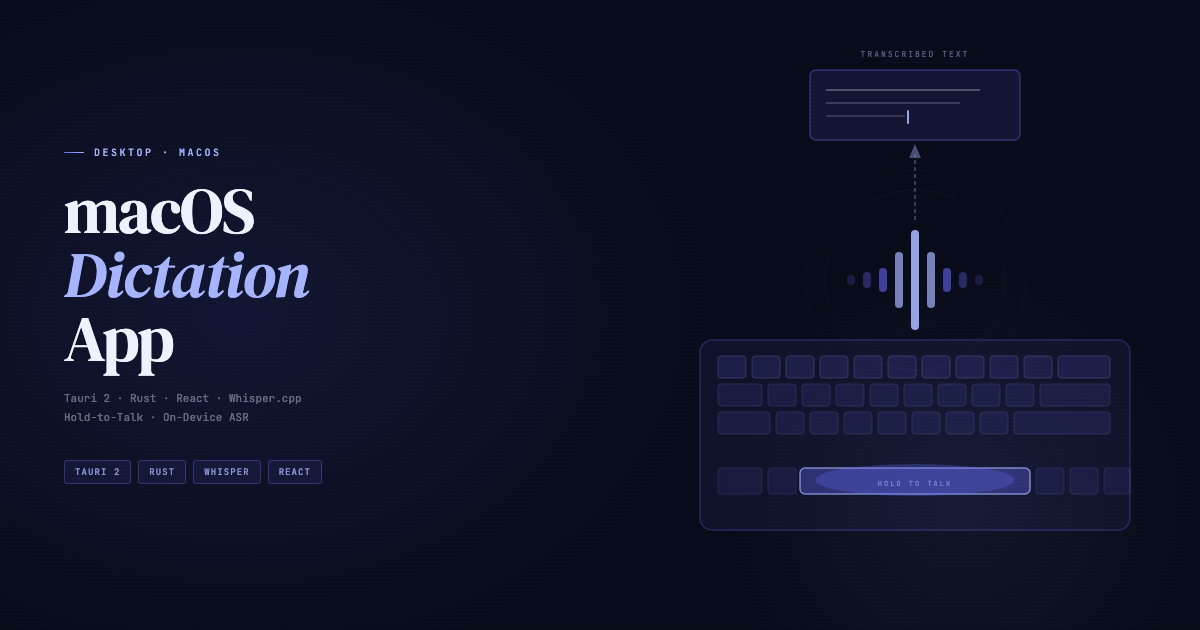
12 min read macOS has had built-in dictation since Monterey. It is fine: press and hold a key, speak, done. But it requires Apple’s servers (unless you download the enhanced on-device model), only works in some apps, and you have zero control over punctuation, formatting, or hotkeys.
scienceDeep Dive
.NET
·
Jan 6, 2025
·
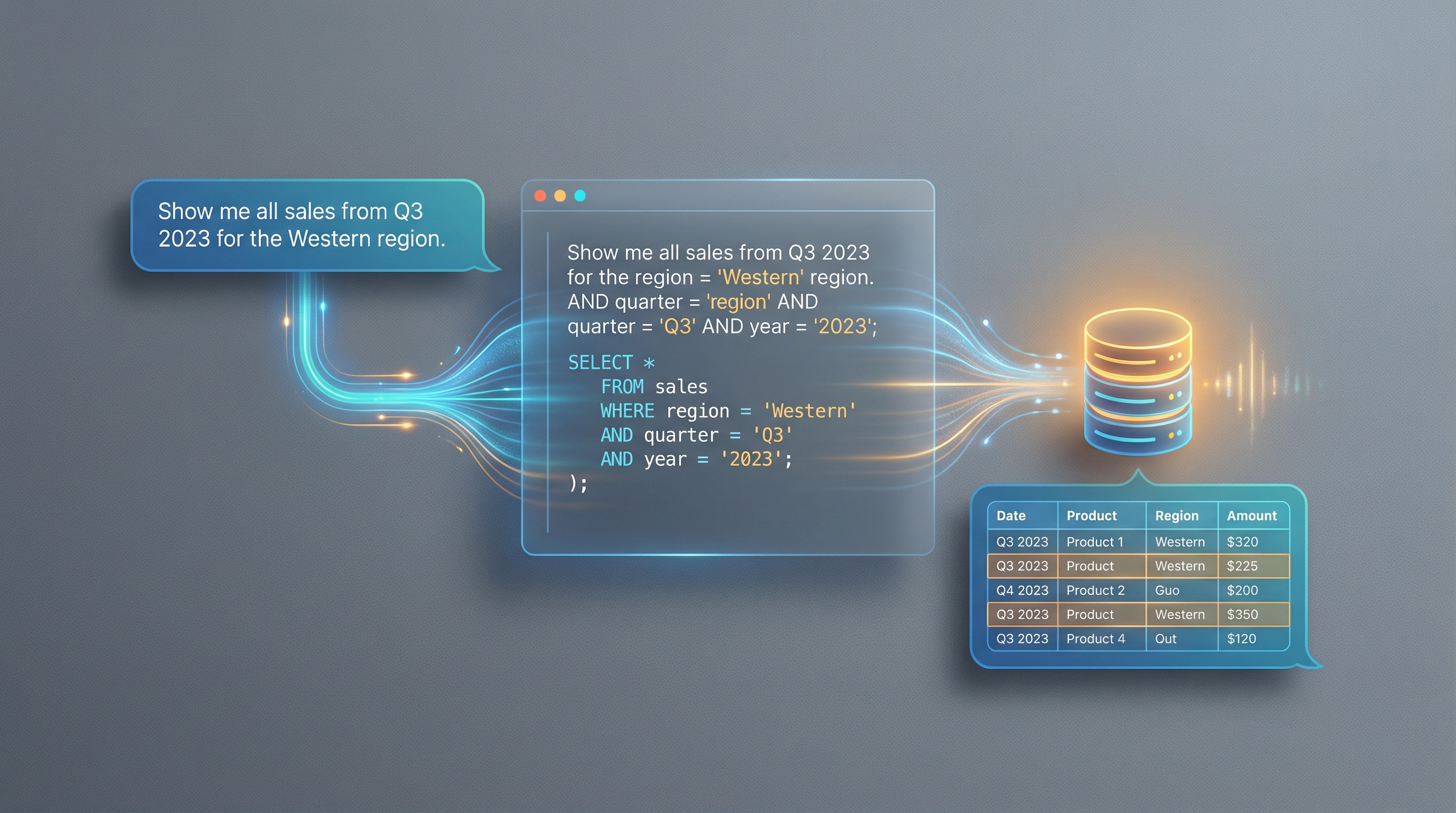
13 min read Business users kept asking my team for one-off data pulls: how many orders above $150 in December, which products are low on stock, that sort of thing. Every request meant a developer dropping their work to write a throwaway SQL query. So I built a REST API that does the translation instead. It feeds the database schema to an LLM, gets back a SQL query, runs it, and returns JSON. One codebase, four interchangeable providers (OpenAI, Azure OpenAI, Claude, and Gemini), switched by a single environment variable.
scienceDeep Dive
.NET
·
Dec 7, 2024
·
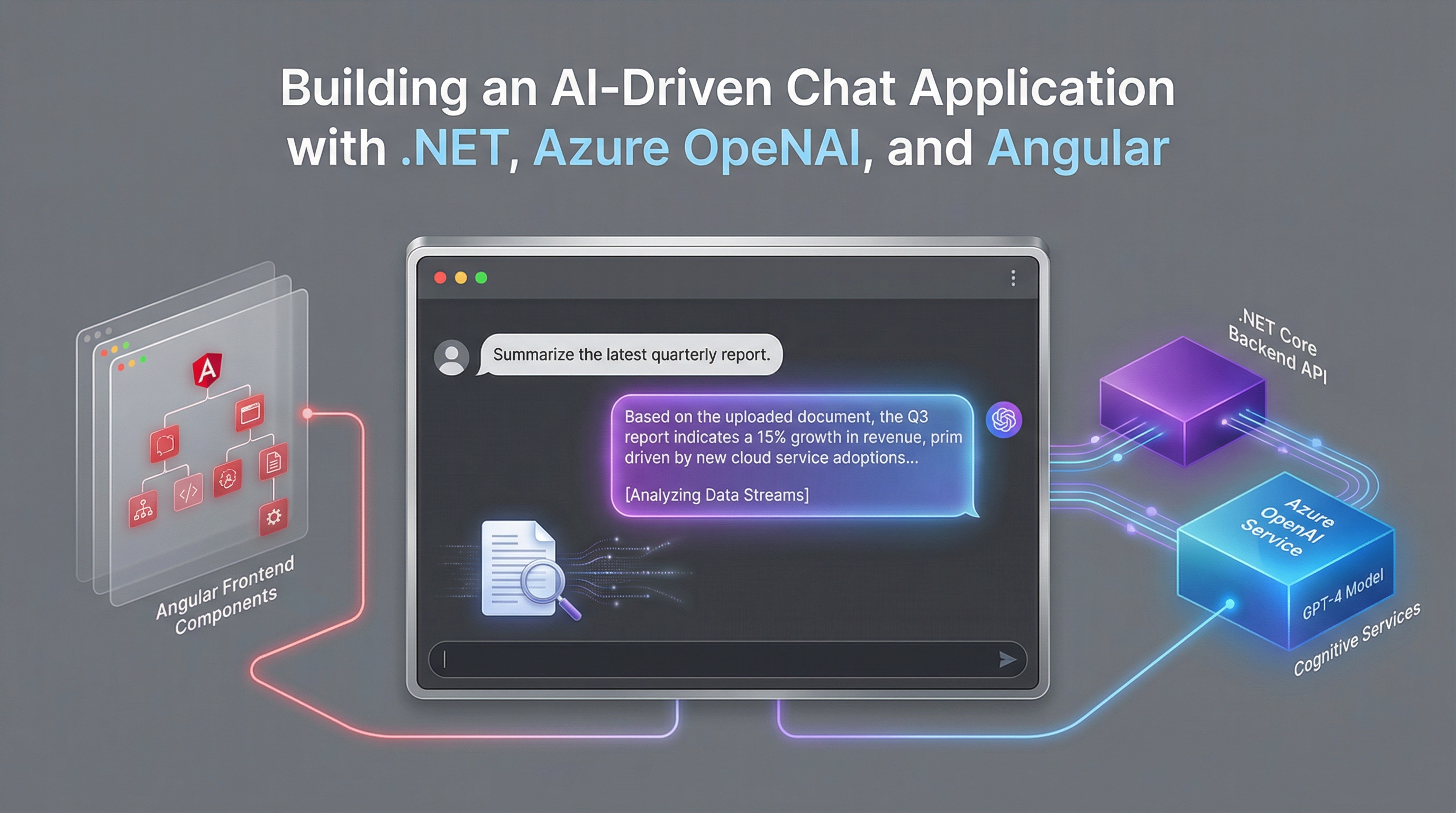
11 min read Introduction # I built this chat app to answer a narrow question: how little infrastructure do you actually need to stream tokens from Azure OpenAI into a browser? Less than most tutorials assume. There is no SignalR here and no WebSocket hub.