Tag
Security
6 posts filed under Security.
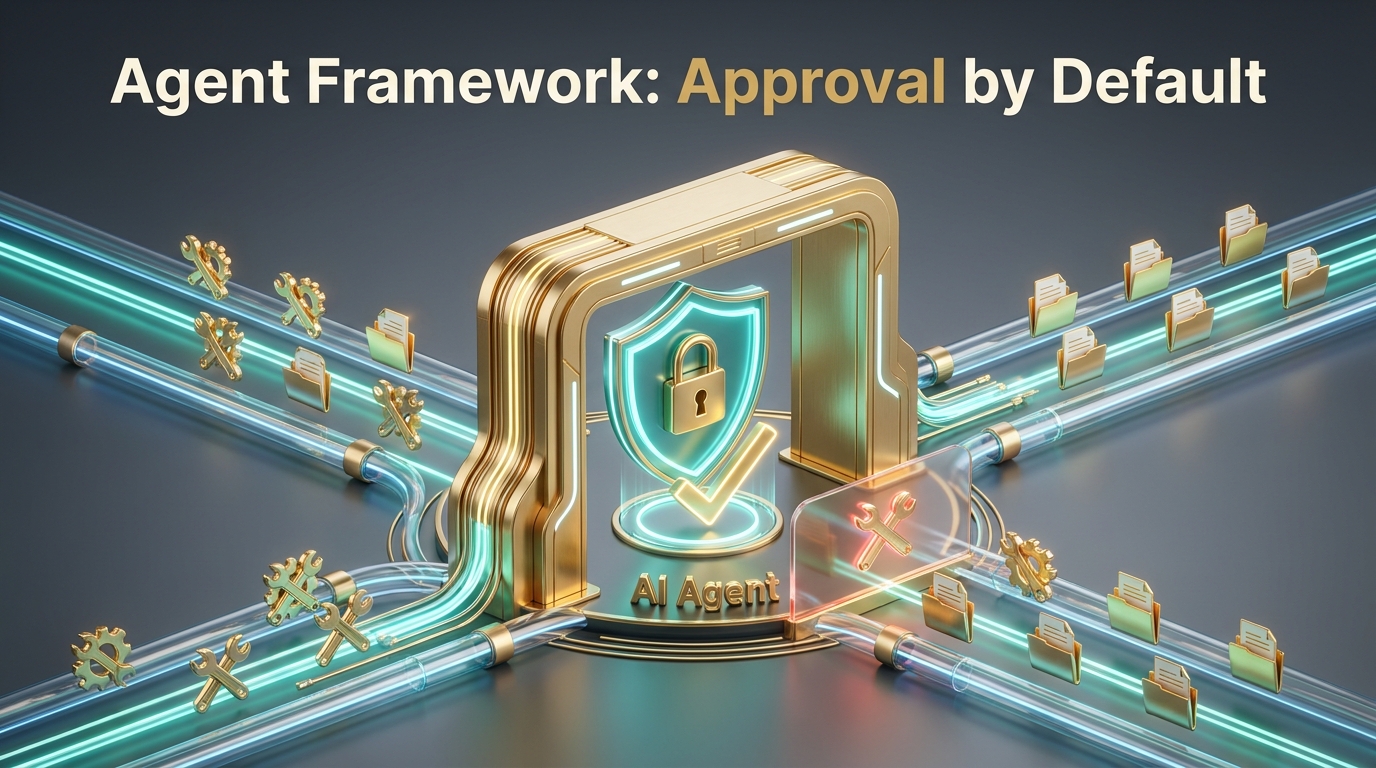
Microsoft Agent Framework Makes Tool and File Access Approval-by-Default
Agent Framework Python 1.10.0 and .NET 1.12.0 flip skill and file access to approval-required by default — a breaking change for production MAF agents.
AI Security: Prompt Injection, Jailbreaks, and Guardrails
Prompt injection, indirect injection, jailbreaks, and data exfiltration via tools — the real threats and defense layers that work in production AI systems.
MAF v1 — Production hardening (Python + .NET)
Add HTTP-layer production patterns for password reset, refresh-token rotation, reuse detection, and secret rotation in APIs.
Production Readiness: Auth, RBAC, and Deployment
JWT authentication, role-based access control, and user-scoped data isolation for a multi-agent system, plus a one-command Docker Compose startup.
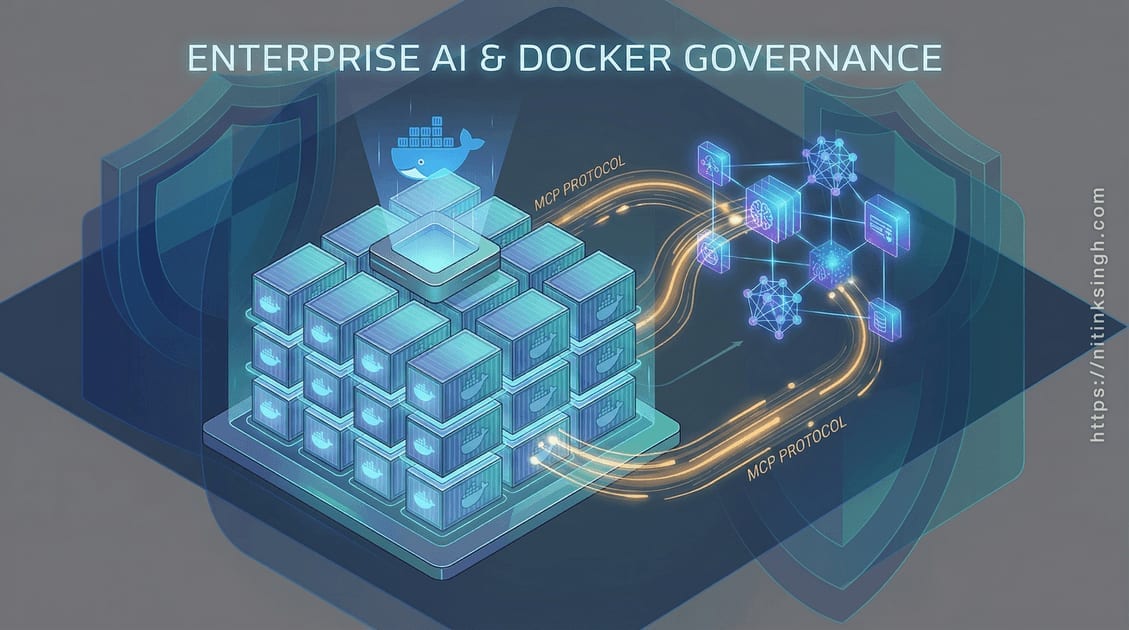
Build Custom MCP Catalogs with Docker: Enterprise Control for AI Tooling
Docker's MCP Catalog, Gateway, and Toolkit let a platform team curate which MCP servers developers can run and route every tool call through one gateway.
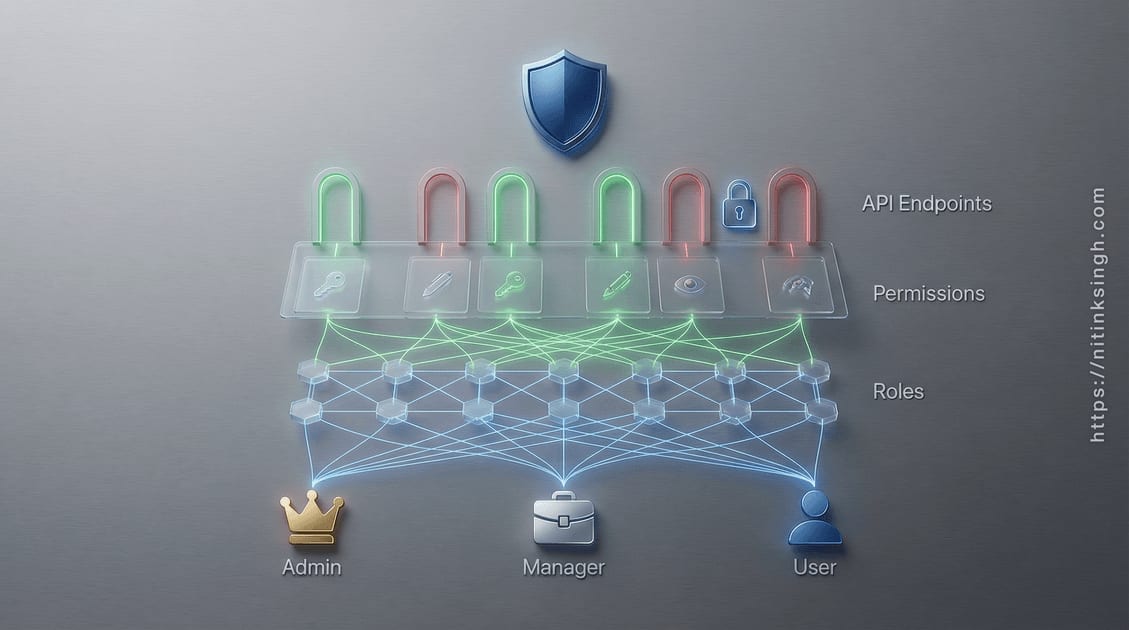
Handling Authorization and Role-Based Access Control (RBAC)
Implement secure, permission-based authorization in Clean Architecture with custom attributes, dynamic policy providers, and JWT integration.