Deep Dive
·
Apr 12, 2026
·
9 min read Most AI agent tutorials end at “hello world.” You build a single agent with one or two tools, it answers a few questions, and that is it. The gap between that tutorial and a production system with multiple agents, authentication, observability, and a real frontend is enormous.
Deep Dive
·
Apr 12, 2026
·
19 min read An average e-commerce support team fields thousands of customer queries every day. “Where is my order?” “Are these headphones any good?” “I was charged twice.” “Is this jacket in stock in medium?” Each question touches a different system – order management, product catalogs, payment processing, inventory databases. A single human agent needs access to half a dozen internal tools and the training to use them all.
Deep Dive
·
Apr 12, 2026
·
22 min read Your agent works, but it sometimes makes up products that don’t exist. It gives the same answer to a customer and an admin. And every prompt change requires a code deploy. Let’s fix all three problems.
Deep Dive
·
Apr 12, 2026
·
17 min read Tools are what separate a conversational AI from an AI agent. Without tools, your agent is a chatbot. With the right tools, it becomes an autonomous assistant that can search, validate, and take action.
Deep Dive
·
Apr 12, 2026
·
14 min read You have five specialist agents, each with domain expertise. One handles product search and recommendations. Another manages orders and returns. A third deals with pricing, promotions, and loyalty discounts. The fourth analyzes product reviews and sentiment. The fifth tracks inventory and shipping.
Deep Dive
·
Apr 12, 2026
·
14 min read When a user asks “Where is my order?”, the request travels through 3 services, 2 LLM calls, and 4 database queries. The orchestrator receives the message, calls the LLM to classify intent, delegates to the order management agent via A2A protocol, which calls its own LLM, executes a tool that queries the database, and returns a response that the orchestrator synthesizes into a human-readable answer.
Deep Dive
·
Apr 12, 2026
·
13 min read Every AI agent tutorial ends the same way: the agent returns a string, you render the string, done. The backend gets all the attention – tool calling, orchestration, prompt engineering – while the frontend gets <p>{response}</p> and a prayer.
Deep Dive
·
Apr 12, 2026
·
11 min read Agents access real data and take real actions. A chatbot that browses a catalog is harmless. An agent that cancels orders, issues refunds, and queries inventory across warehouses is not. Without proper auth, any user could view any order or access admin tools. And none of the security work matters if a new developer cannot clone the repo and run the system.
Deep Dive
·
Apr 12, 2026
·
15 min read Ask a customer support agent at any decent retail store what you bought last month, and they will look it up. Ask them what kind of products you tend to prefer, and if they are good at their job, they will remember. The returning customer experience – “Welcome back, I remember you like running shoes in wide fit” – is one of the oldest tricks in retail. It works because it is genuinely useful.
Deep Dive
·
Apr 12, 2026
·
18 min read You have built six agents, wired them with A2A protocol, added observability, deployed to Docker, and shipped a frontend. Users are chatting, tools are firing, traces are flowing through the Aspire Dashboard. Everything works.
Deep Dive
·
Apr 12, 2026
·
15 min read Every agent in ECommerce Agents has hand-coded tools. The inventory agent has check_stock, get_warehouses, and estimate_shipping as @tool-decorated Python functions that query PostgreSQL directly. The product discovery agent has search_products and semantic_search. The order management agent has get_orders and create_order. Each tool is tightly coupled to the agent that owns it, written in the same language, deployed in the same container, and imported as a Python module.
Deep Dive
·
Apr 12, 2026
·
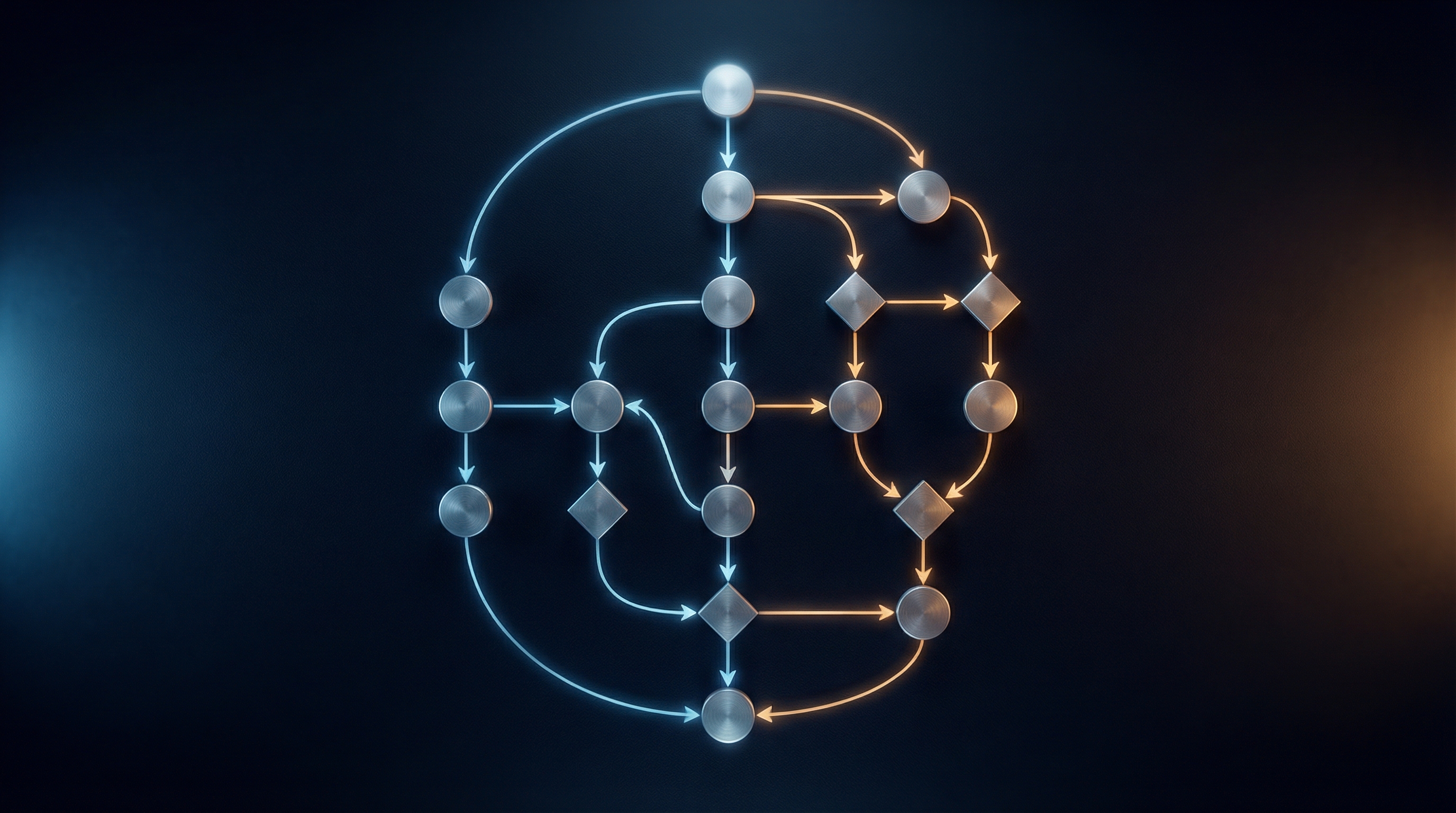
19 min read Throughout this series, we have relied on a single orchestration pattern: the LLM decides what to do next. The orchestrator receives a user message, its system prompt teaches it which specialists exist, and the model picks the right one. For most interactions – “search for headphones,” “what is my order status,” “any coupons available?” – this works well. The LLM routes accurately, the specialist responds, and the orchestrator formats the answer.