Deep Dive
·
Dec 1, 2024
·
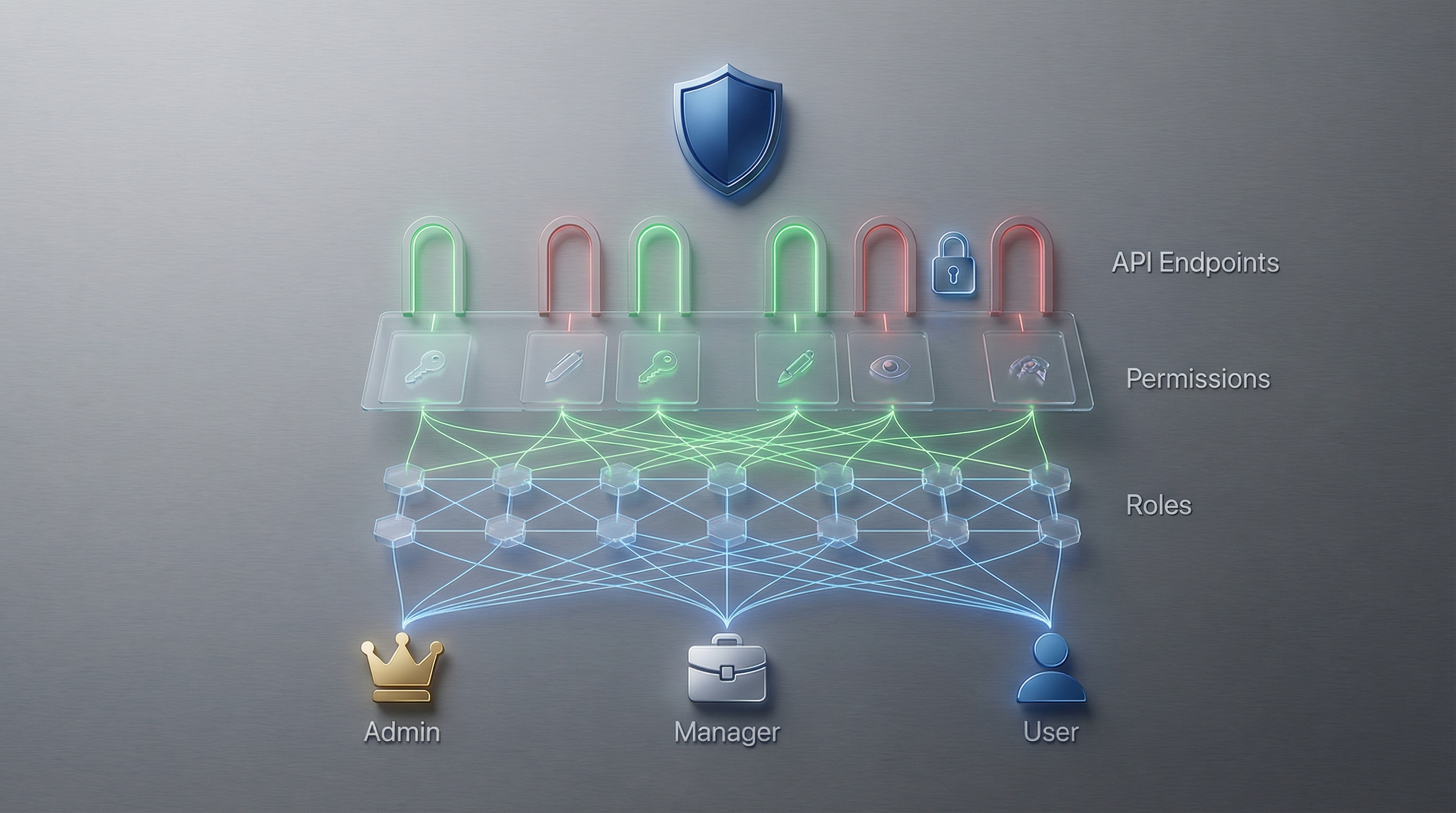
19 min read Introduction # Role-Based Access Control (RBAC) is a critical component of secure application design that restricts access to resources based on user roles and permissions. This article explores how the Contact Management Application implements a flexible and maintainable RBAC system that covers both the backend API and frontend Angular application, integrating with JWT authentication to secure endpoints and UI elements while maintaining the separation of concerns that Clean Architecture demands.
Deep Dive
·
Dec 1, 2024
·
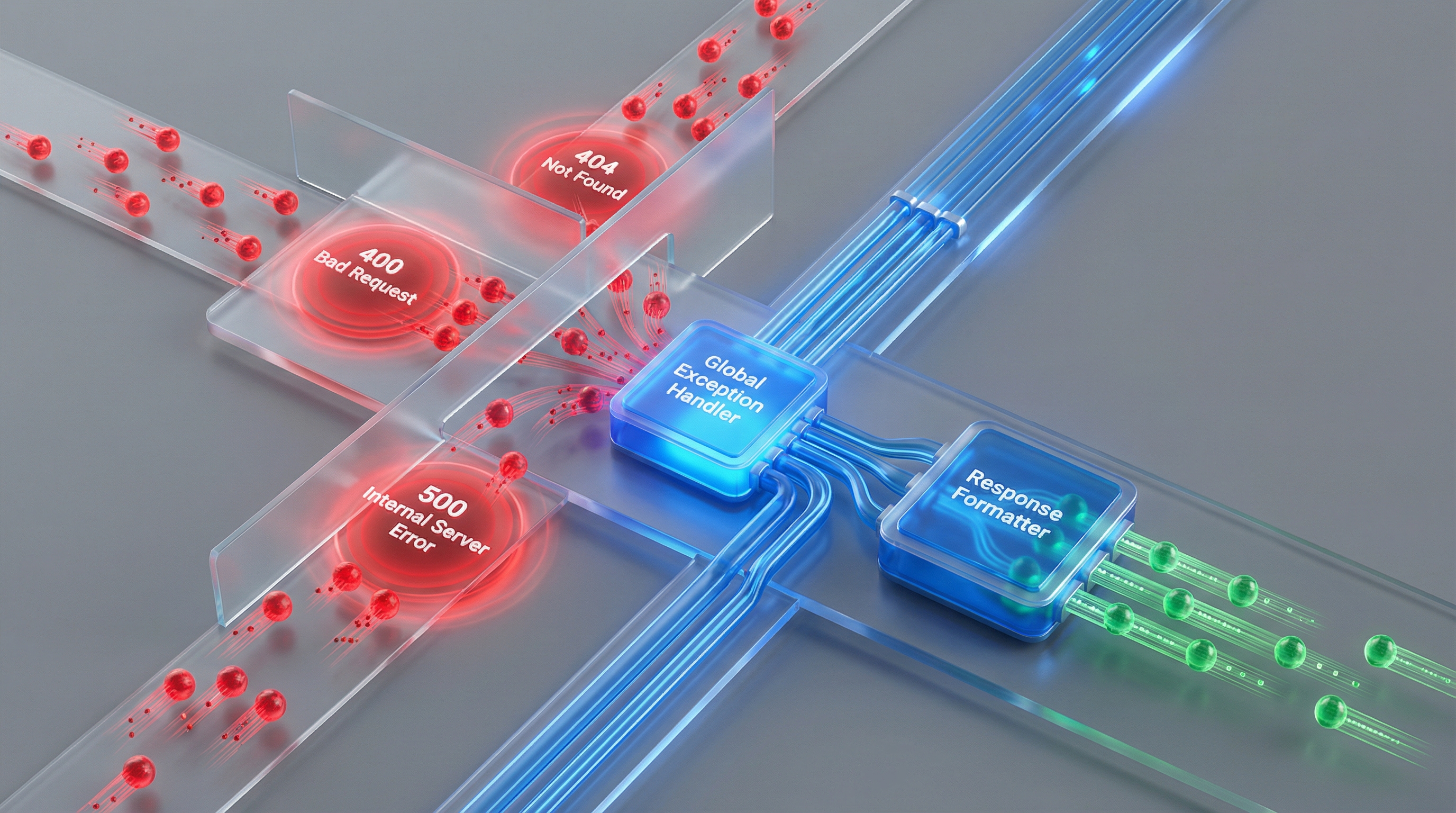
7 min read Introduction # Effective error handling is critical for building robust APIs that can gracefully manage unexpected situations. In Clean Architecture, consistent error responses and proper exception management improve the user experience and simplify debugging. This article explores how the Contact Management Application implements centralized error handling through middleware, custom exceptions, and standardized API responses.
Deep Dive
·
Dec 1, 2024
·
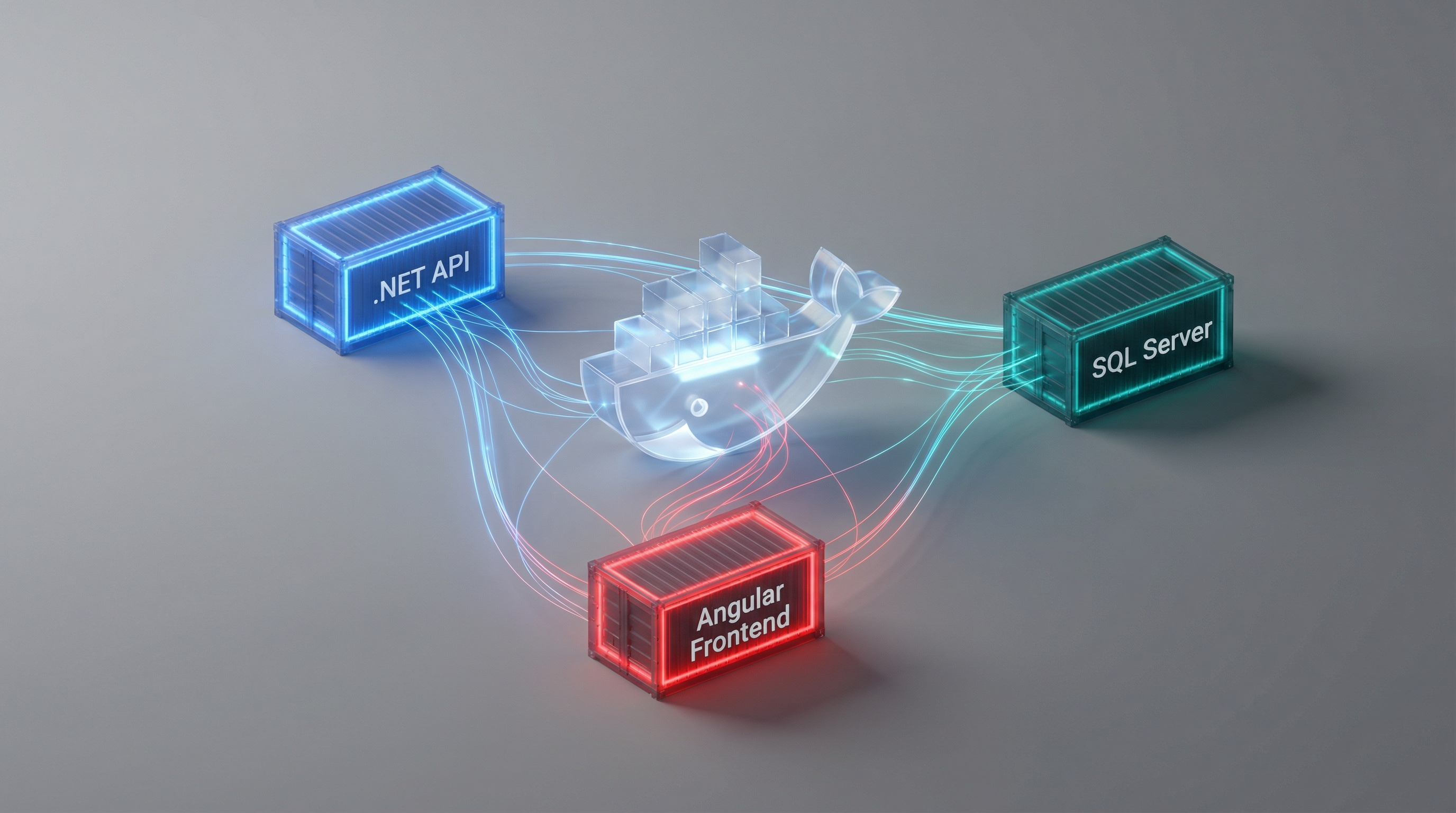
10 min read Introduction # Docker has revolutionized application deployment by enabling consistent environments across development, testing, and production. In Clean Architecture, containerization aligns perfectly with the separation of concerns principle, allowing each layer to be independently developed and deployed. This article explores how to Dockerize the Contact Management Application’s .NET Core API and MS SQL Server database.
Deep Dive
·
Dec 1, 2024
·
6 min read Introduction # Dependency Injection (DI) is a key design pattern in Clean Architecture that facilitates loose coupling between components. By injecting dependencies rather than hard-coding them, we create more maintainable, testable code where components can be easily swapped or mocked. This article explores how to implement DI across different architectural layers in the Contact Management Application.
Deep Dive
·
Dec 1, 2024
·
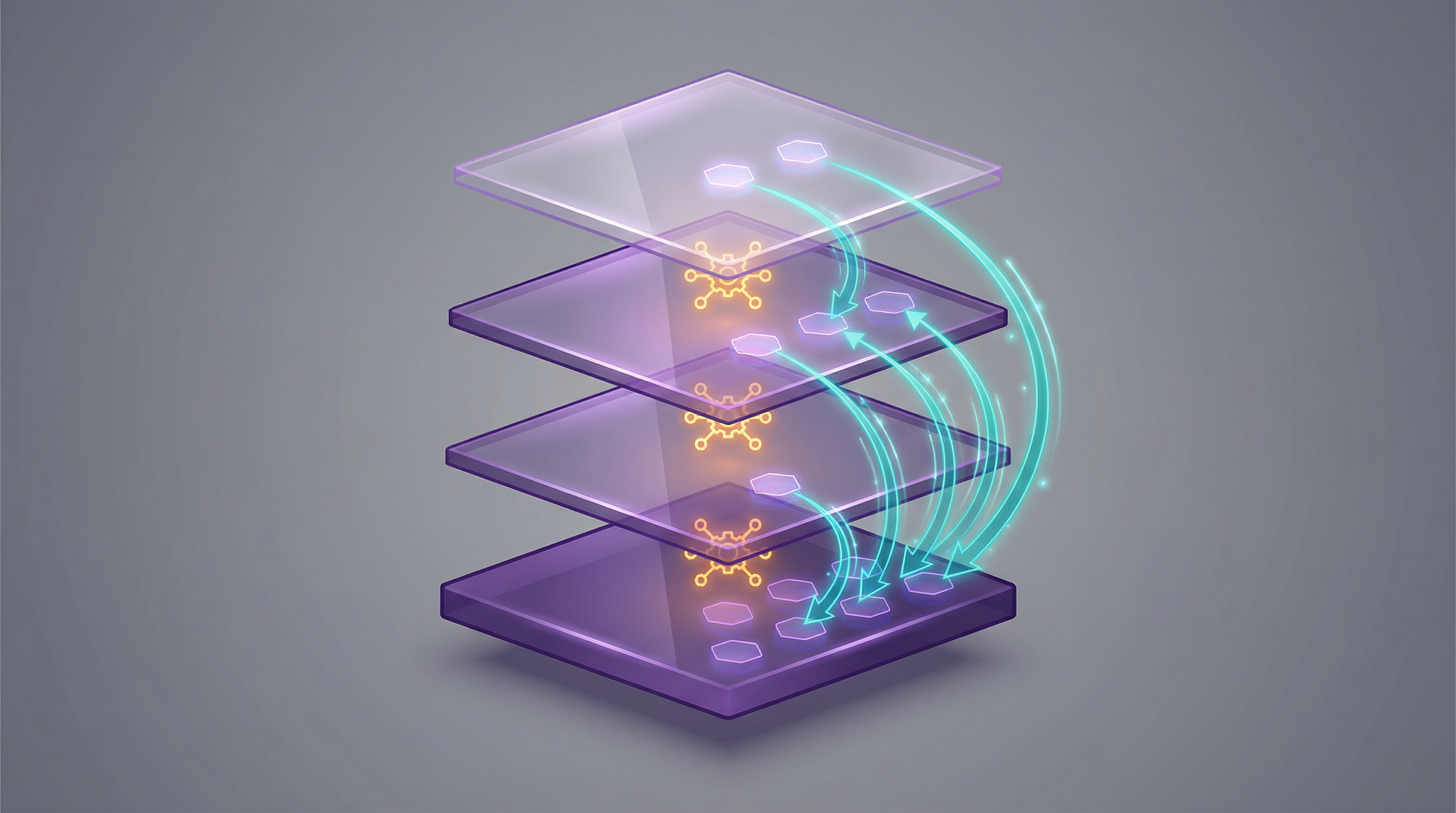
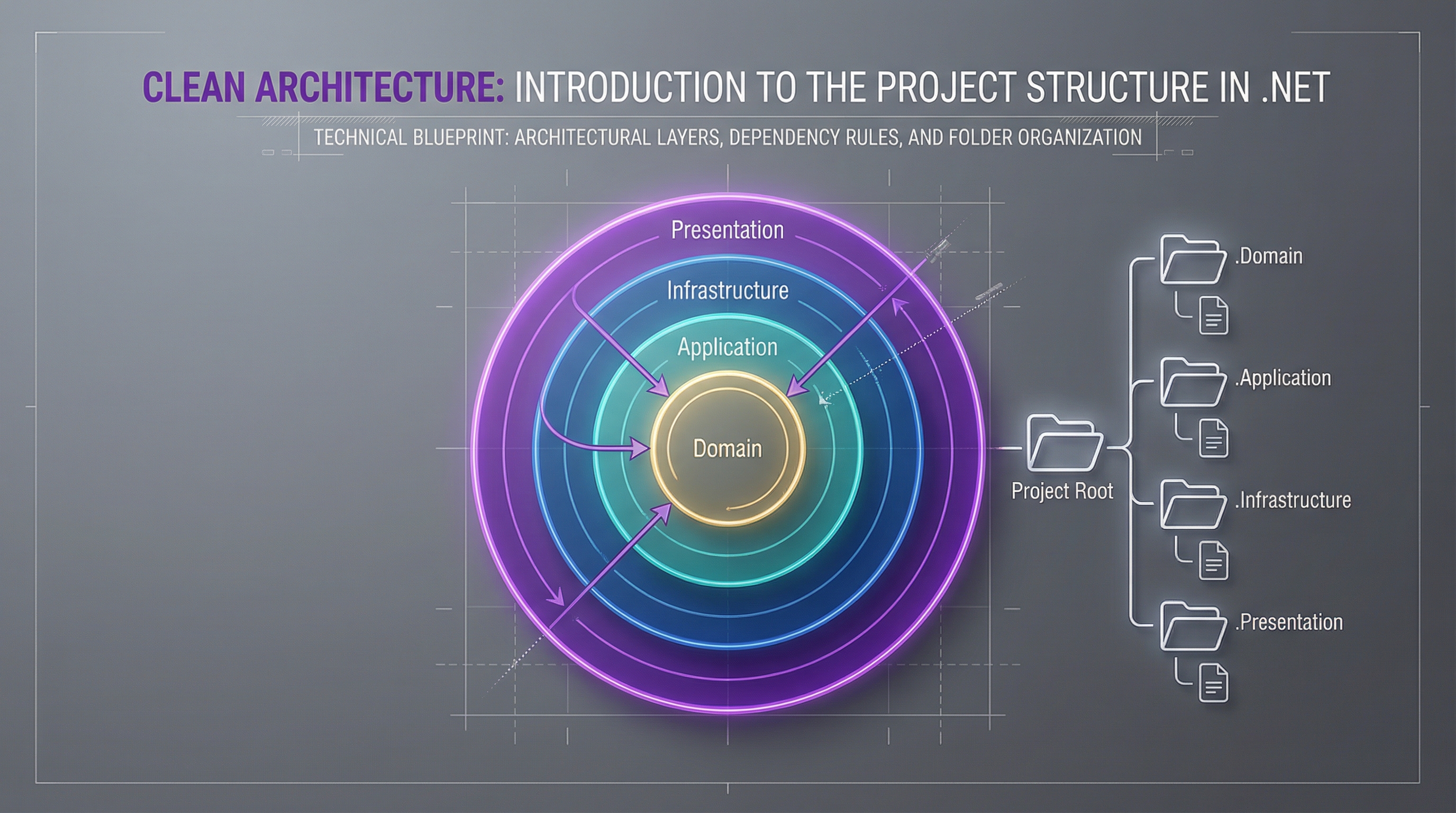
11 min read Overview # Clean Architecture is a powerful software design pattern that promotes a clear separation of concerns, making your application’s core business logic independent of external dependencies like databases, user interfaces, or frameworks. By following this architecture, systems become maintainable, testable, and adaptable, preparing them for both current demands and future growth.
Deep Dive
·
Dec 1, 2024
·
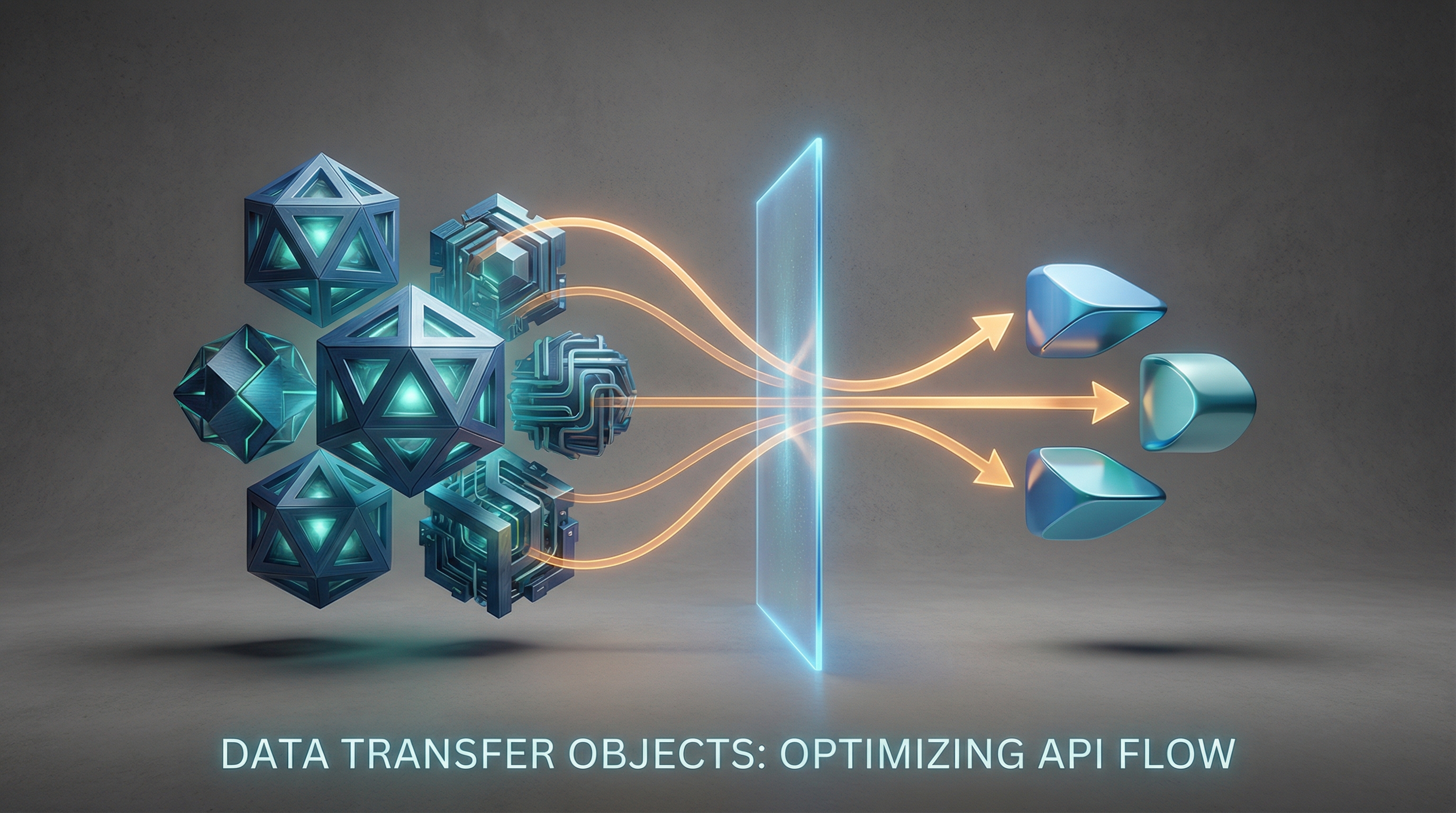
7 min read Introduction # Data Transfer Objects (DTOs) play a critical role in Clean Architecture by separating your internal domain model from the data structures exposed to clients. They enhance security, performance, and maintainability by providing a controlled interface between your application’s core and external systems. This article explores best practices for designing and implementing DTOs in the Contact Management Application.
Deep Dive
·
Oct 22, 2024
·
8 min read Say goodbye to “It works on my machine” problems forever! GitHub Codespaces provides ready-to-code development environments in the cloud that work exactly the same for everyone on your team. This guide walks through everything you need to know to get started, even if you’ve never used cloud-based development environments before.
Deep Dive
·
Jul 22, 2023
·
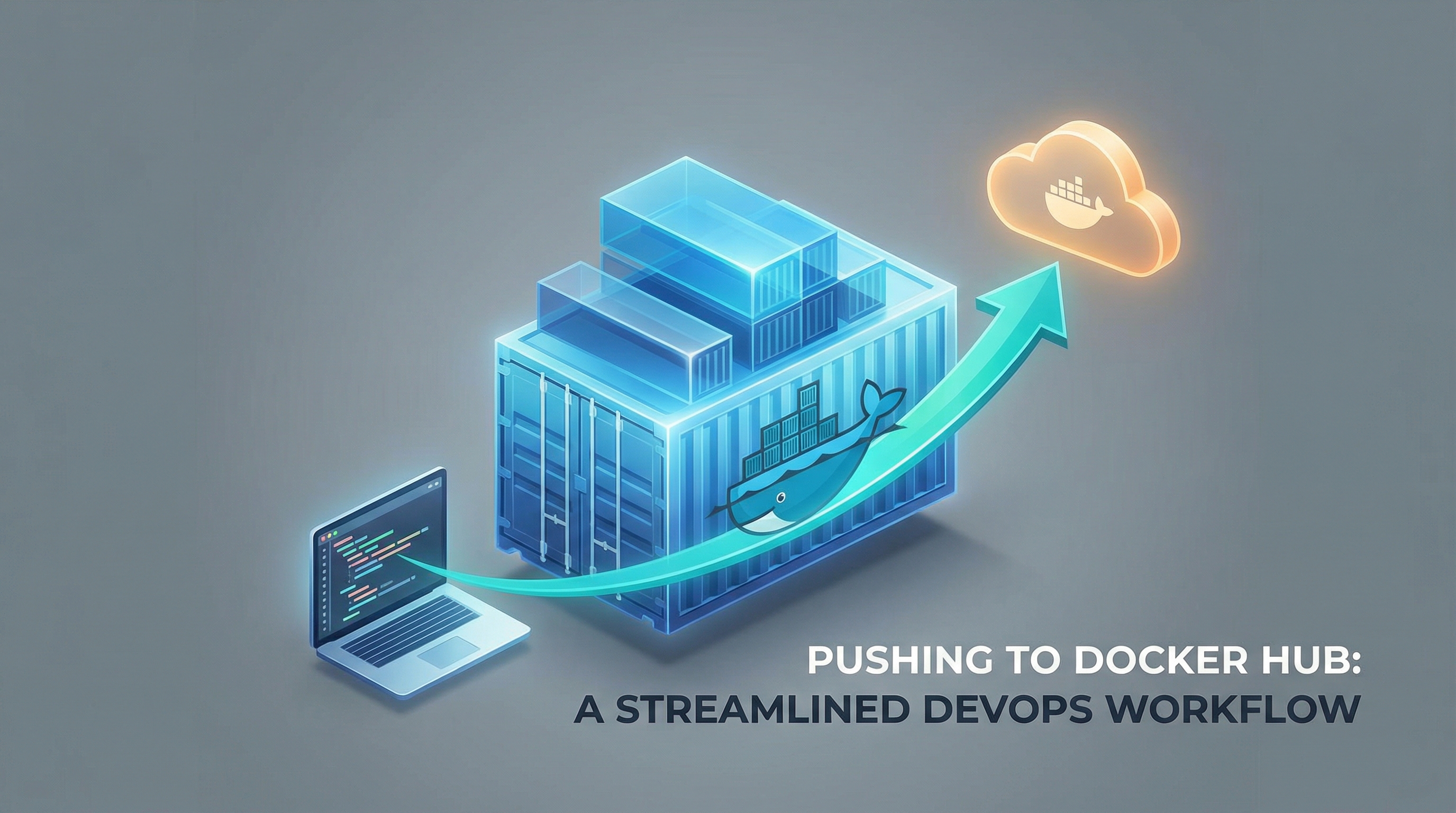
4 min read Introduction # Docker Hub is a cloud-based repository service for container images, allowing developers to store, share, and manage their Docker images. This article provides a step-by-step guide to building Docker images and pushing them to Docker Hub, making your containerized applications accessible to your team or the wider community.
Deep Dive
·
Jul 22, 2023
·
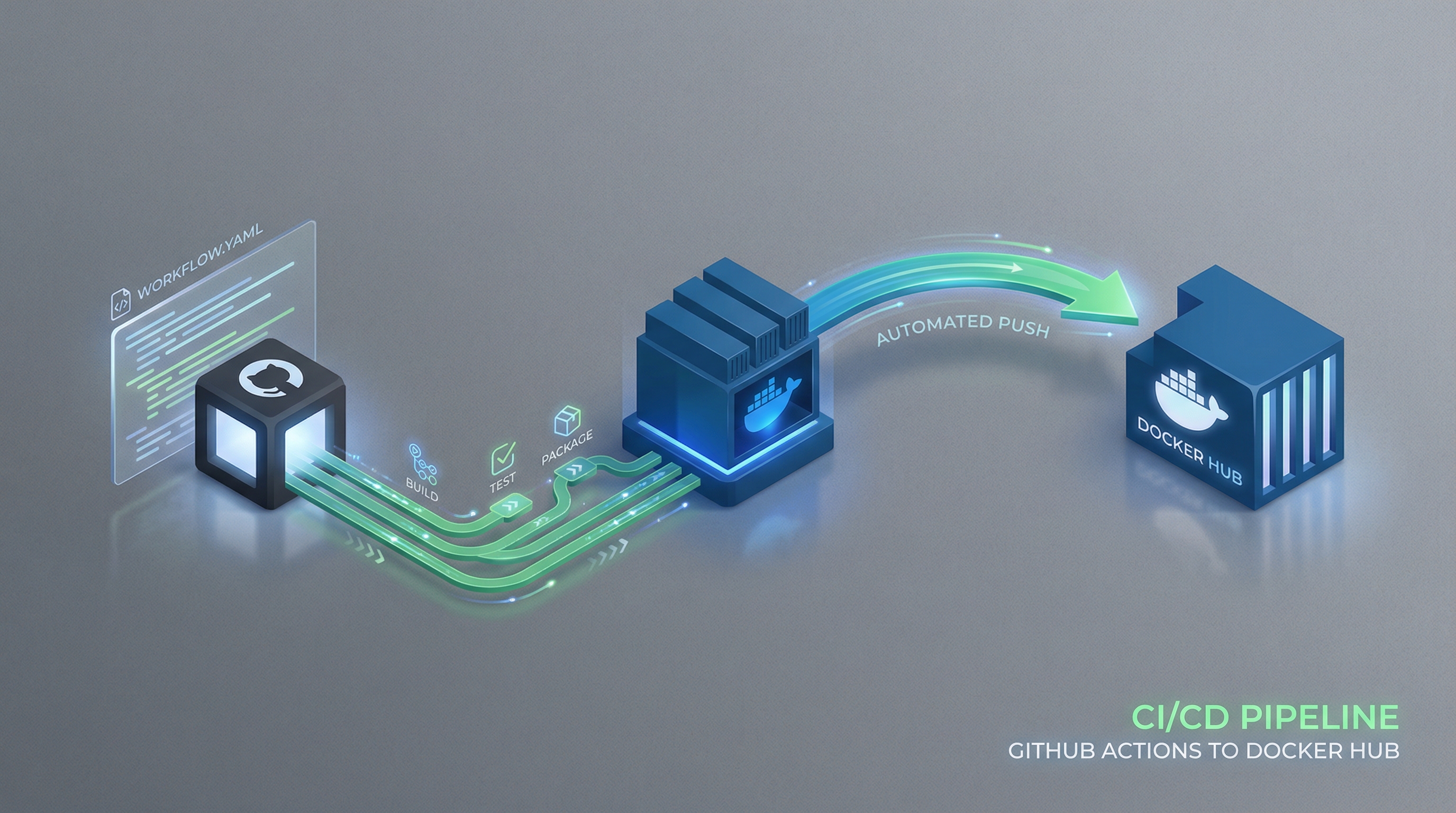
4 min read Introduction # Automating Docker image builds and deployments can significantly improve development workflows. This article demonstrates how to use GitHub Actions to automatically build and push Docker images to Docker Hub whenever changes are committed to your repository, saving time and ensuring consistent builds across your team.