Deep Dive
·
Dec 20, 2025
·
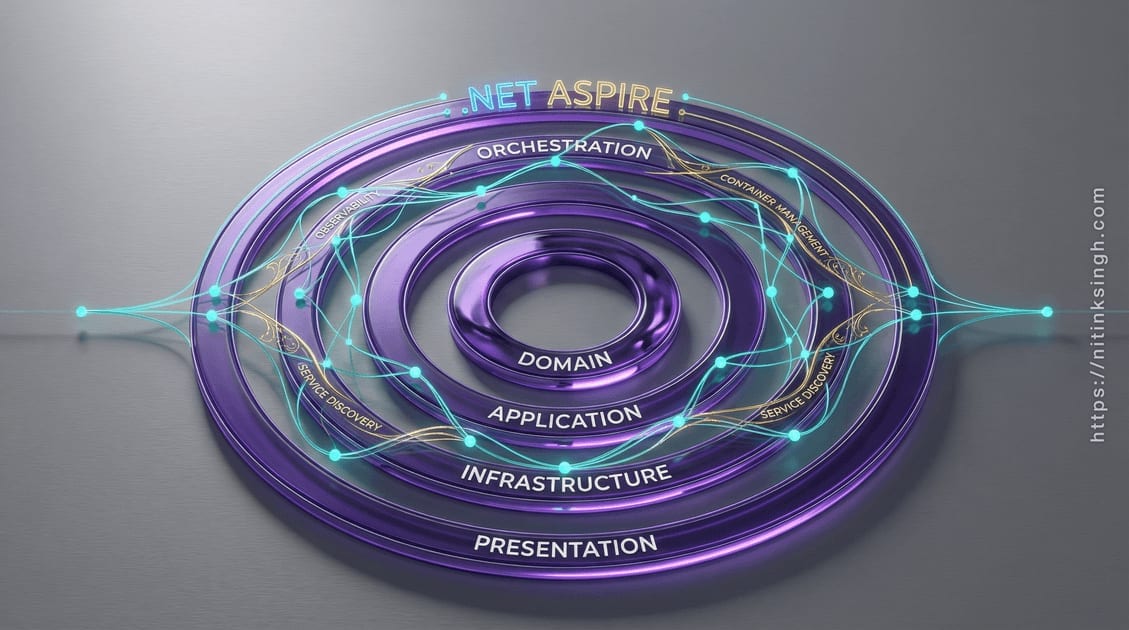
10 min read The infrastructure overhead in microservices projects is real. Setting up databases, wiring service discovery, getting distributed tracing working, managing connection strings across environments—this work hits before you’ve written a line of business logic. On more than one project, I’ve watched the first sprint disappear into Docker Compose files and appsettings drift.
Deep Dive
·
Dec 1, 2024
·
6 min read Introduction # In this article, we will explore how to implement input validation in the Contact Management Application using FluentValidation. FluentValidation is a robust .NET library that facilitates the creation of flexible and extensible validation rules for your models. By integrating seamlessly with ASP.NET Core, it allows you to maintain clean separation between validation logic and business logic, adhering to the principles of Clean Architecture.
Deep Dive
·
Dec 1, 2024
·
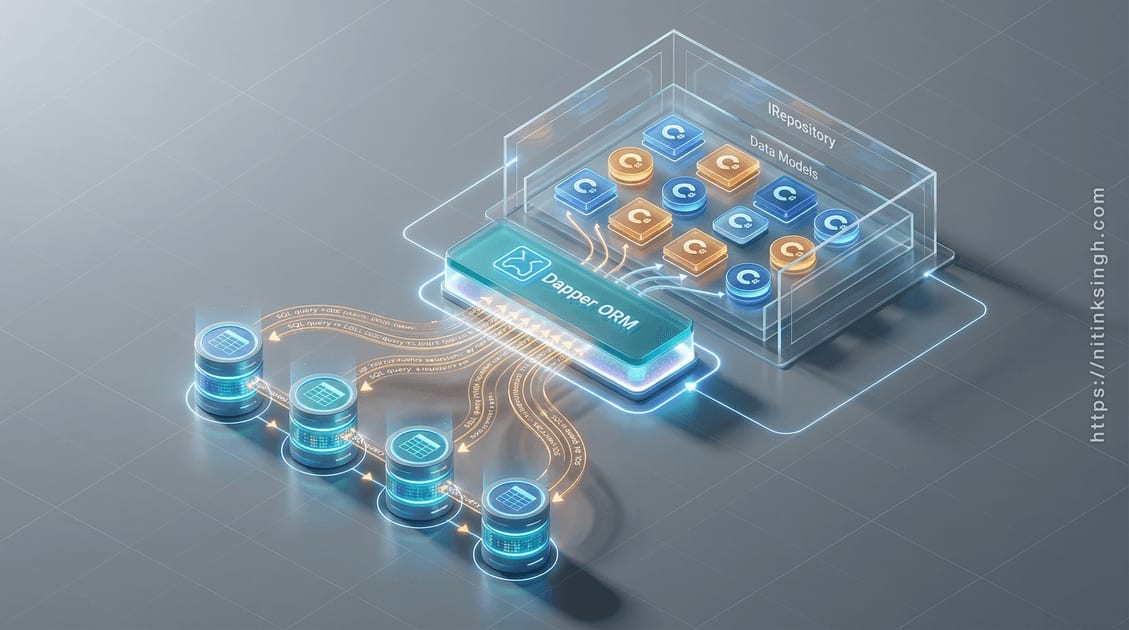
9 min read Introduction # In this article, we will explore how the Contact Management Application integrates Dapper for efficient data access. Dapper is a micro-ORM (Object-Relational Mapper) that excels in performance by directly interacting with SQL. We will focus on how Dapper is utilized within the Repository Pattern to ensure clean, maintainable, and efficient access to the database. Additionally, we will explore how Dapper works in tandem with the Unit of Work pattern to manage transactions.
Deep Dive
·
Dec 1, 2024
·
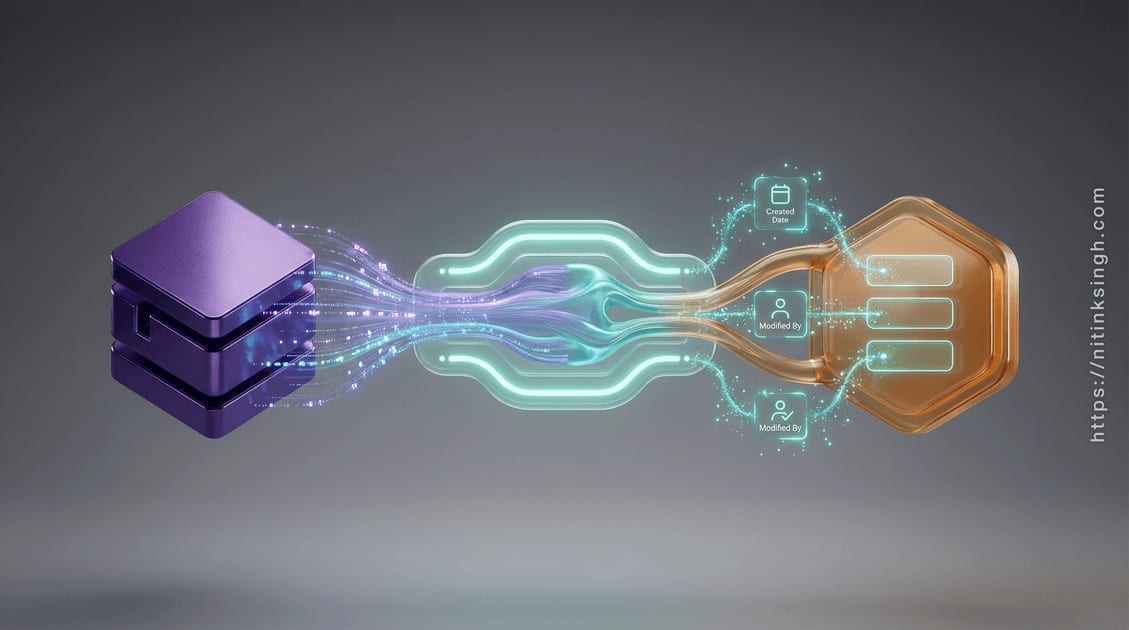
7 min read AutoMapper is a powerful object-object mapper that simplifies the transformation between data models. In Clean Architecture, it plays a vital role in maintaining a clear separation of concerns between layers. By automating mapping and handling fields like CreatedBy, CreatedOn, UpdatedBy, and UpdatedOn, AutoMapper reduces boilerplate code and ensures consistency.
Deep Dive
·
Dec 1, 2024
·
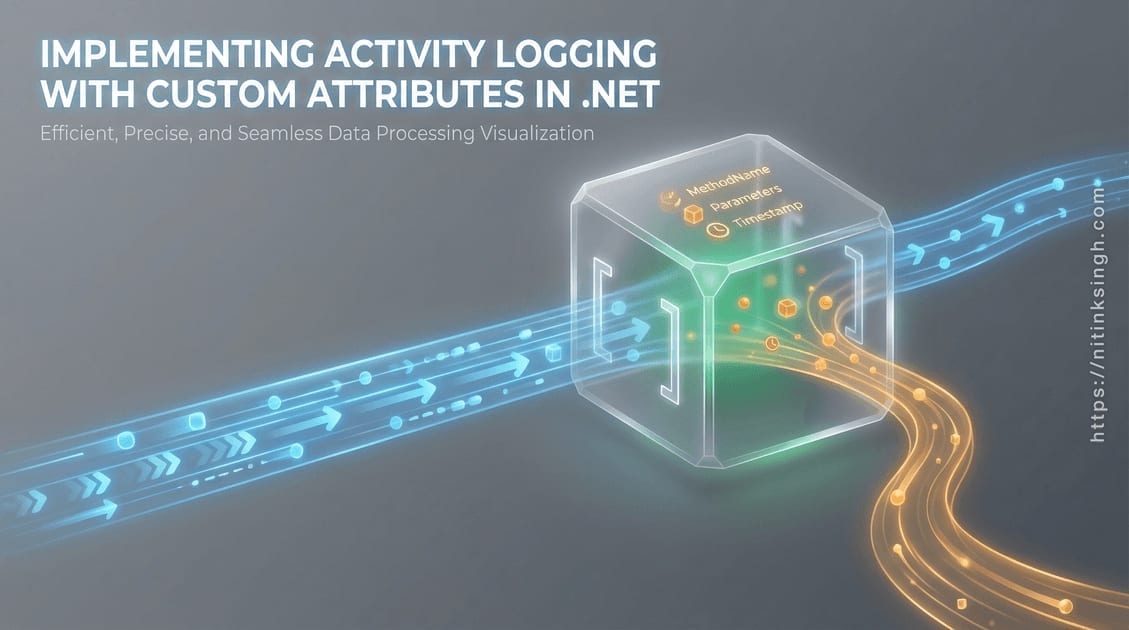
6 min read Introduction # Tracking user activities is crucial for security, auditing, and troubleshooting in any application. This article explores how to implement activity logging in the Contact Management Application using custom .NET attributes and action filters. This approach seamlessly integrates logging into the application without cluttering controllers or business logic with repetitive logging code.
Deep Dive
·
Dec 1, 2024
·
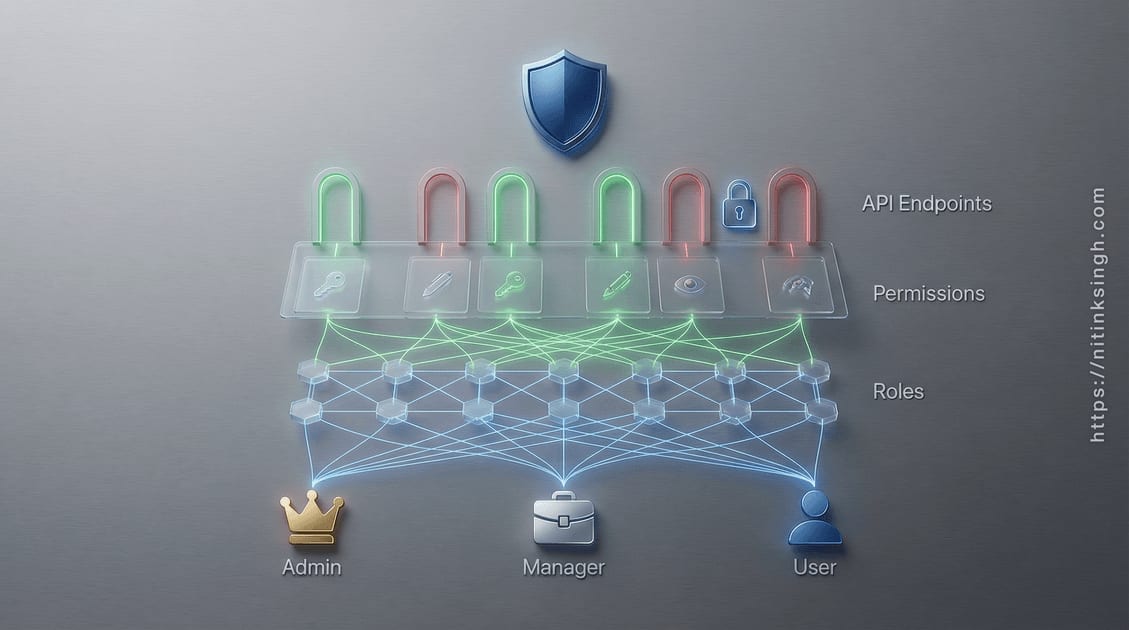
19 min read Introduction # Role-Based Access Control (RBAC) is a critical component of secure application design that restricts access to resources based on user roles and permissions. This article explores how the Contact Management Application implements a flexible and maintainable RBAC system that covers both the backend API and frontend Angular application, integrating with JWT authentication to secure endpoints and UI elements while maintaining the separation of concerns that Clean Architecture demands.
Deep Dive
·
Dec 1, 2024
·
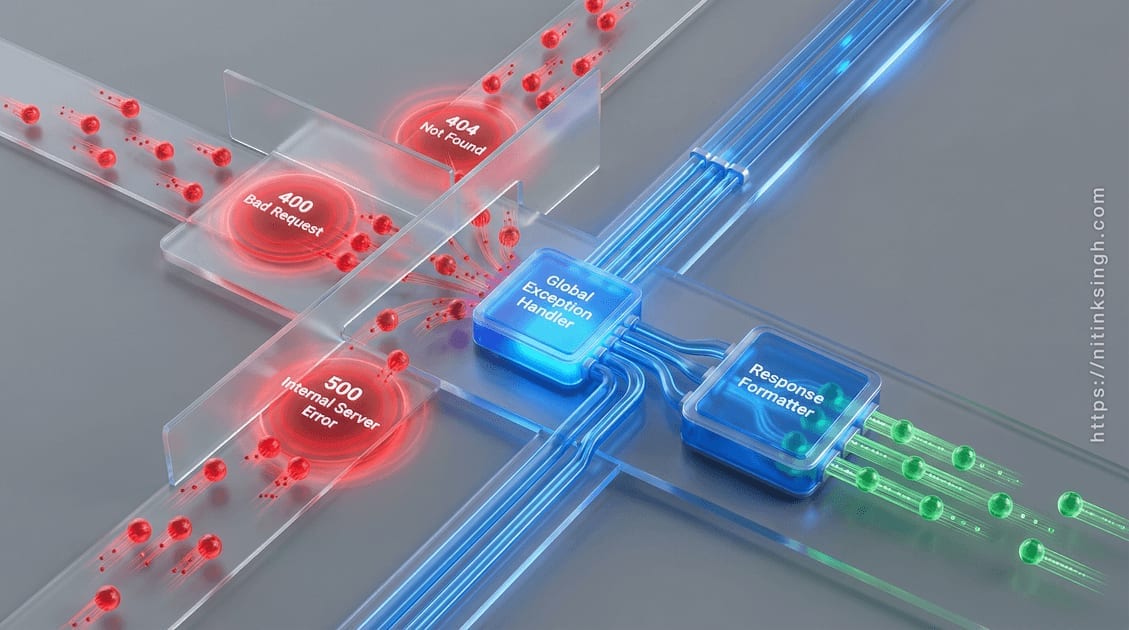
7 min read Introduction # Effective error handling is critical for building robust APIs that can gracefully manage unexpected situations. In Clean Architecture, consistent error responses and proper exception management improve the user experience and simplify debugging. This article explores how the Contact Management Application implements centralized error handling through middleware, custom exceptions, and standardized API responses.
Deep Dive
·
Dec 1, 2024
·
6 min read Introduction # Dependency Injection (DI) is a key design pattern in Clean Architecture that facilitates loose coupling between components. By injecting dependencies rather than hard-coding them, we create more maintainable, testable code where components can be easily swapped or mocked. This article explores how to implement DI across different architectural layers in the Contact Management Application.
Deep Dive
·
Dec 1, 2024
·
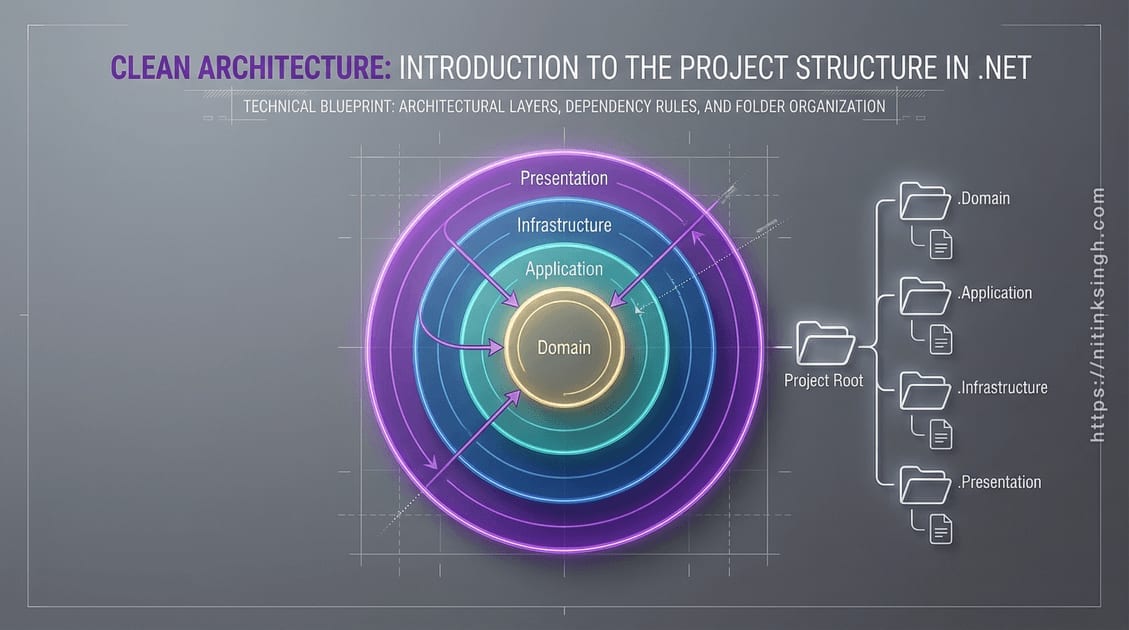
11 min read Overview # Clean Architecture is a powerful software design pattern that promotes a clear separation of concerns, making your application’s core business logic independent of external dependencies like databases, user interfaces, or frameworks. By following this architecture, systems become maintainable, testable, and adaptable, preparing them for both current demands and future growth.
Deep Dive
·
Dec 1, 2024
·
7 min read Introduction # Data Transfer Objects (DTOs) play a critical role in Clean Architecture by separating your internal domain model from the data structures exposed to clients. They enhance security, performance, and maintainability by providing a controlled interface between your application’s core and external systems. This article explores best practices for designing and implementing DTOs in the Contact Management Application.